

Avoid alcohol after tooth extraction until your dentist’s waiting period has passed, bleeding has stopped, and your medicines are safe to combine with alcohol. The first 24 hours require particular care, but reaching that point does not automatically mean your extraction site is ready for a drink.
- Avoid alcohol after tooth extraction while the socket is bleeding or your medicines require you to abstain.
- A 24-hour waiting period is not automatic clearance; follow your dentist’s extraction aftercare instructions.
- Plain water is the best drink during early recovery; sip from a cup rather than a straw.
- Dental Arts of Atlantis provides general dental care for Lake Worth families; ask your treating dentist about recovery restrictions.
Can you drink alcohol after a tooth extraction?
No—not immediately after the procedure. Alcohol adds avoidable risks during early healing, and certain pain medicines or sedatives make drinking dangerous even when your mouth feels comfortable.
Use this sequence before considering alcohol:
- Follow your discharge instructions. Your treating dentist knows whether the extraction involved surgery, stitches, or additional procedures.
- Check the extraction site. Ongoing bleeding, worsening pain, or increasing swelling means you should contact the dental team rather than resume drinking.
- Check every medicine. Read prescription labels and ask a pharmacist about alcohol restrictions, including restrictions after the last dose.
- Confirm any sedation restrictions. Feeling awake does not prove that a sedative has fully worn off.
For your 2026 recovery plan, use the instructions from your own procedure—not a universal countdown copied from another patient’s experience.
Why this matters
A blood clot forms in the socket after a tooth is removed. That clot protects the underlying bone and nerves while healing begins; early aftercare focuses on leaving it undisturbed.
Alcohol also complicates medication safety and judgment. You need to notice changes in bleeding or pain, remember your instructions, and take medicines correctly.
Dental Arts of Atlantis provides family dental care in Lake Worth. For extraction recovery, the clinician who treated you is the right person to resolve conflicting instructions or explain when your individual restrictions end.
Is alcohol safe after 24 hours?
24 hours is not a guaranteed safe restart time. Some extraction instructions specify avoiding alcohol for at least that long, but a minimum restriction is not permission to drink despite bleeding, medication warnings, or surgical complications.
Local anesthetic wearing off is another misleading milestone. Numbness and socket healing are different processes; normal sensation does not mean the wound has healed.
If your instructions say to avoid alcohol longer, follow that longer period. If they do not mention alcohol, ask the dental team instead of assuming that the next evening is safe.
What about 48 hours or a week?
Neither 48 hours nor 7 days is a universal clearance point. An uncomplicated extraction and a surgical extraction with additional treatment do not necessarily share the same recovery instructions.
The practical question is not simply how many days have passed. Ask whether your symptoms are improving, whether your medicines still carry alcohol warnings, and whether your dentist has restricted drinking for your procedure.
In 2026, a calendar reminder can help you follow instructions, but it cannot assess the extraction site.
Why the waiting period varies
Your dentist’s recommendation depends on more than the tooth coming out. These factors explain why someone else’s timeline is not a reliable substitute for your own instructions:
- Procedure complexity: Surgical removal, stitches, and associated procedures require their own aftercare plan.
- Bleeding: Active bleeding takes priority over plans to resume alcohol.
- Medicines: Pain relievers, sedatives, and certain antibiotics carry different alcohol warnings.
- Recovery symptoms: Worsening pain, increasing swelling, or feeling unwell requires assessment rather than a drink.
- Medical history: Conditions or treatments that affect bleeding and healing belong in the dentist’s decision.
Tell your dentist about regular alcohol use before treatment, especially if you drink heavily or have previously experienced withdrawal. Alcohol withdrawal can be dangerous and requires medical guidance; do not try to manage dependence through dental aftercare advice alone.
Which drinks are better during early recovery?
Plain water is the best choice for routine hydration after an extraction. Follow any instructions about when you can start drinking, particularly after sedation, and take gentle sips from a cup.
The comparison below concerns early recovery—not lifelong restrictions.
| Drink | Best for | Benefit | Limitation during recovery |
|---|---|---|---|
| Plain water | Routine hydration | Contains no alcohol and is easy to sip | Does not replace food or prescribed treatment |
| Cool or lukewarm broth | Adding variety when permitted | Fits a soft-food recovery plan | Very hot broth can irritate the area |
| Beer or wine | Not recommended during early recovery | No extraction-healing benefit | Contains alcohol and can conflict with medicines |
| Spirits or cocktails | Not recommended during early recovery | No extraction-healing benefit | Contains alcohol; mixers do not remove medication risks |
Avoid using a straw during the period specified by your dentist. The suction is an additional concern, separate from whatever drink is in the glass.
Is beer safer than wine or liquor?
Beer is not an extraction-safe exception. Wine and spirits are not exceptions either: the relevant issue is alcohol exposure alongside a healing wound, your symptoms, and your medicines.
Diluting a cocktail does not cancel an alcohol warning. Neither does drinking with food, switching to a different type of alcohol, or taking smaller sips.
Can you drink an alcohol-free alternative?
Check the label rather than relying on the drink’s name. Some drinks marketed as nonalcoholic contain a small amount of alcohol, and acidic or fizzy drinks can feel uncomfortable around a tender extraction site.
Plain water avoids those questions. If a particular alternative stings, stop drinking it and choose something gentler that fits your discharge instructions.
Alcohol and extraction medicines: check before drinking
Never combine alcohol with opioid pain medicine or sedatives. The combination can cause dangerous sleepiness and slowed breathing. Separating a drink and a dose by a few hours does not establish safety.
Nonprescription medicines deserve attention, too. Alcohol increases stomach-bleeding concerns with anti-inflammatory pain relievers such as ibuprofen, while acetaminophen carries liver warnings involving alcohol use.
Tell your pharmacist the exact medicine, dose, last dose time, and your usual alcohol intake. Do not stop prescribed treatment, skip a needed dose, or change your schedule just to make room for a drink.
Do all antibiotics require avoiding alcohol?
Not every antibiotic has the same interaction, but some have explicit alcohol restrictions. Your prescription label and pharmacist should determine the answer for the medicine you actually received.
A restriction can continue after treatment ends. Finishing the last tablet does not automatically end the warning, and a general extraction timeline cannot override the medication instructions.
Does sedation change the advice?
Yes. After sedation, follow the discharge restrictions on alcohol, driving, supervision, and decision-making. Many sedation instructions prohibit alcohol for at least 24 hours, with longer restrictions depending on the medicines used and your recovery.
If someone accompanies you home, ask that person to keep the written instructions accessible. For a 2026 procedure, save a photo of the instructions on your phone before the appointment so you are not relying on memory afterward.
What if you already drank alcohol?
Stop drinking, but do not assume that you have ruined your recovery. A drink does not by itself diagnose a damaged clot, dry socket, or infection.
Check how you feel and which medicines you have taken. Do not swish with alcohol, rinse forcefully, spit repeatedly, or poke the socket to inspect it.
If you combined alcohol with an opioid or sedative, seek prompt medical advice. Trouble breathing, inability to stay awake, or difficulty waking someone requires emergency medical help.
Contact your dentist if bleeding restarts or pain becomes worse. Give the team a straightforward account of the drink, timing, symptoms, and medicines; those details help them advise you safely.
Which symptoms need a call to the dentist?
Increasing pain after an initial improvement deserves attention. Dry socket occurs when the protective clot fails to form properly or is lost before healing has progressed, leaving underlying tissue exposed.
Bad breath or an unpleasant taste can accompany dry socket, but those symptoms alone do not establish the diagnosis. A dentist needs to assess the socket and distinguish expected recovery from a complication.
Persistent bleeding, worsening swelling, and severe pain are signs of a dental emergency that should change your plan from waiting at home to seeking prompt assessment. Difficulty breathing or swallowing calls for emergency medical care, not an online appointment request.
Do not use alcohol to numb extraction pain. It does not treat dry socket or infection, and it can make medication decisions less safe.
If Dental Arts of Atlantis is your dental practice, contact the dental team about recovery concerns. Seek immediate help through an appropriate emergency service when symptoms cannot safely wait.
Your 2026 checklist before restarting alcohol
Before you return to drinking, review the full picture rather than checking only the time since extraction. The following checklist organizes the questions to discuss with your dentist or pharmacist; it does not replace their clearance.
- Written instructions: Has the alcohol restriction specified for your procedure ended?
- Bleeding control: Has active bleeding stopped without repeatedly needing pressure?
- Medicine review: Has a pharmacist confirmed that your current and recently completed medicines allow alcohol?
- Symptom check: Are pain and swelling improving rather than getting worse?
- Dental advice: Have you resolved any uncertainty about surgical aftercare or complications?
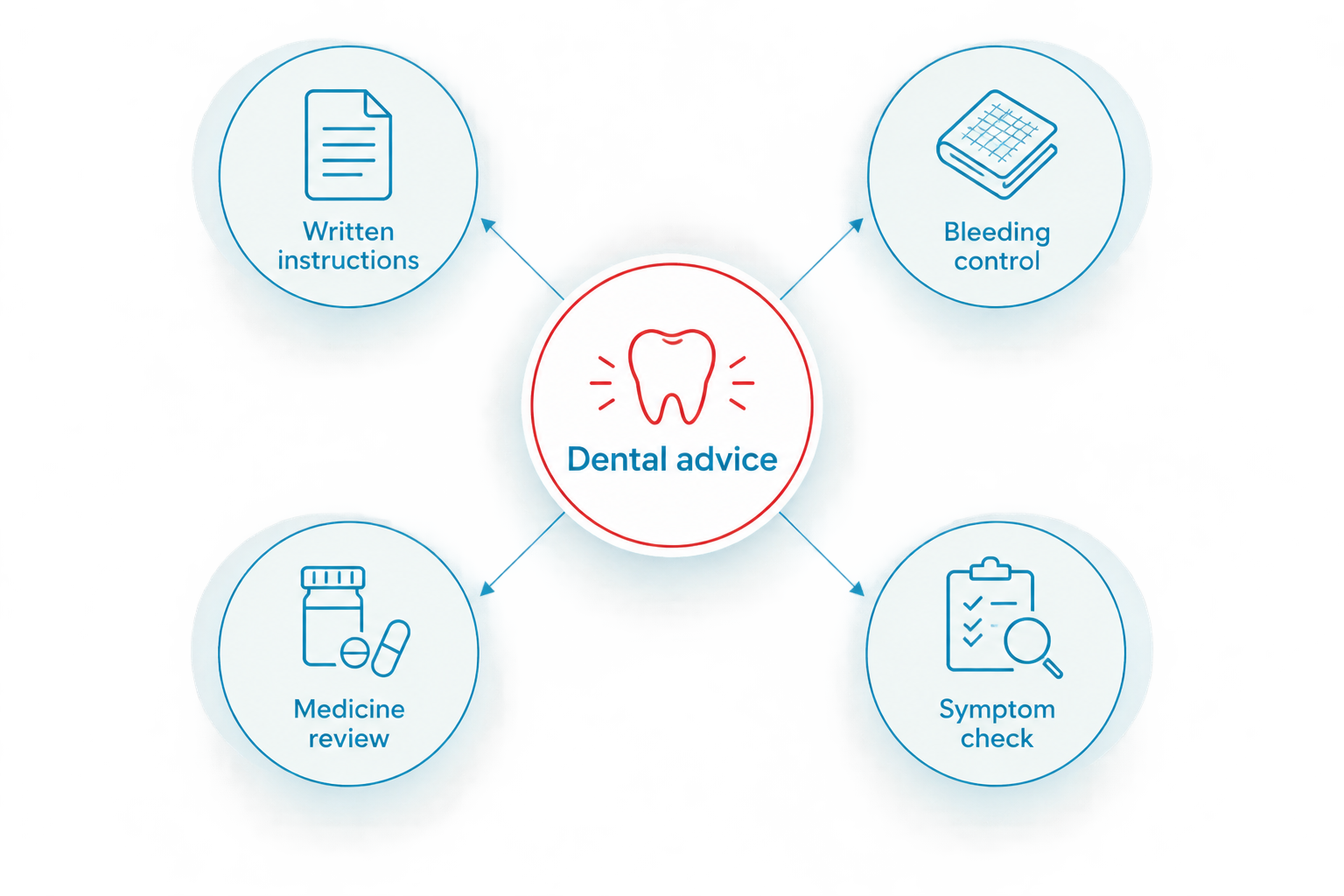
If any answer remains unclear, choose water and ask. There is no need to test the socket with a drink to find out whether it is ready.
Dental Arts of Atlantis is a local family-dentistry option for Lake Worth households seeking general dental care. An online article explains the precautions, but it cannot examine your socket or clear a medication interaction.
FAQ
Can I drink alcohol after tooth extraction if the bleeding has stopped?
Stopped bleeding alone does not establish that alcohol is safe after tooth extraction. You still need to follow your dentist’s waiting period and check medication and sedation restrictions.
Can I have a glass of wine 24 hours after a tooth extraction?
24 hours is not automatic clearance for a glass of wine. Follow the waiting period in your discharge instructions and avoid alcohol while medicines or recovery symptoms make it unsafe.
Is beer better than liquor after a tooth extraction?
Beer is not a safe workaround for liquor after a tooth extraction. Both contain alcohol, and changing drinks does not remove medication warnings or your dentist’s restrictions.
Will one drink definitely cause dry socket?
One drink does not mean you will definitely develop dry socket. Stop drinking and contact your dentist if you develop worsening pain, renewed bleeding, or other concerning symptoms.
Can I drink alcohol while taking pain medicine after an extraction?
Do not combine alcohol with opioid pain medicines or sedatives. Nonprescription pain relievers also carry alcohol-related warnings, so ask a pharmacist about your exact medicine before drinking.
Can I use alcoholic mouthwash after a tooth extraction?
Do not use an alcohol-containing mouthwash unless your dentist specifically directs you to use that product. Mouthwash and rinsing restrictions are separate from drinking restrictions; avoid vigorous rinsing during early healing.
What should I drink after a tooth extraction in 2026?
Plain water is the best routine hydration choice after a tooth extraction in 2026. Sip gently from a cup and follow your dentist’s instructions about straws, temperature, and when drinking can begin.
When should I get urgent help after drinking following an extraction?
Get emergency medical help for breathing difficulty, inability to stay awake, or difficulty waking someone, especially after alcohol and sedating medicines. Persistent bleeding, increasing swelling, or worsening extraction pain needs prompt dental assessment.
One last thing
Feeling better and being ready for alcohol are not the same milestone. Pain medicine can make an extraction feel comfortable while the socket still needs protection, and medication restrictions can remain after discomfort improves.
Before a wedding, dinner, or weekend gathering, decide on an alcohol-free drink in advance. That simple choice removes the pressure to make a medical decision at the table.
Related guides
- Best over-the-counter pain reliever after tooth extraction
- How long does it take to recover from wisdom teeth removal?
- Best foods to eat after wisdom teeth removal