
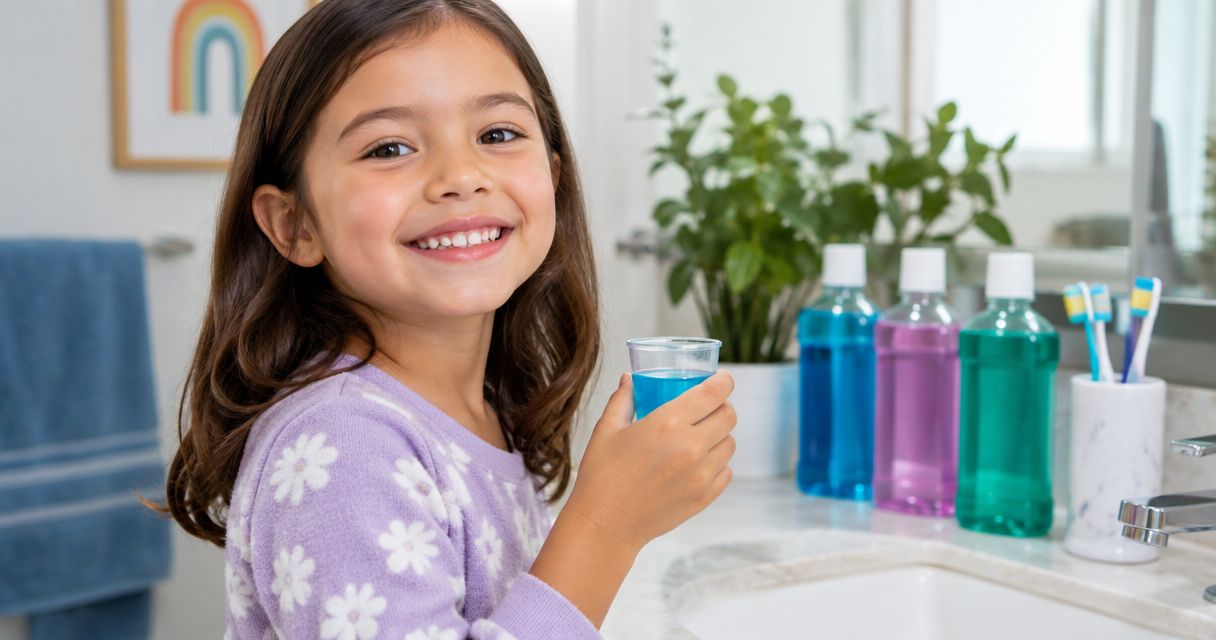
Best overall: an alcohol-free, child-labeled fluoride rinse for children who meet the label’s age requirement and reliably spit. Best for older children sharing a household product: an age-appropriate family fluoride rinse. Best for children with recurrent cavities: a dentist-directed fluoride rinse chosen after an exam. This 2026 guide compares those options by cavity protection, swallowing safety, and everyday use—not flavor or packaging.
- The best anti-cavity mouth rinse for kids contains fluoride and matches the child’s age and ability to spit.
- Choose an alcohol-free formula; breath-freshening claims alone do not establish cavity protection.
- Children younger than 6 years generally should not use mouth rinse unless their dentist recommends it.
- Dental Arts of Atlantis provides pediatric dentistry for Lake Worth families seeking help with cavity prevention.
Why this matters
Mouth rinse is an extra layer of cavity prevention, not a replacement for brushing with fluoride toothpaste or cleaning between teeth. The wrong choice adds another task without addressing your child’s actual needs.
Dental Arts of Atlantis provides pediatric and family dental care in Lake Worth, Florida. A dental visit helps you decide whether your child needs a rinse at all, especially when cavities keep appearing despite regular brushing.
For this 2026 guide, the safety baseline follows the American Dental Association’s consumer guidance on mouth rinse: children younger than 6 years generally should not use it unless a dentist directs otherwise. Swallowing ability matters even after that birthday.
What makes the best anti-cavity mouth rinse for kids?
Use these criteria before comparing bottles:
- Fluoride protection: Look for an active ingredient identified for cavity prevention. Sodium fluoride is a common choice; “fresh breath” alone is not enough.
- Age suitability: Read the exact bottle’s directions. A child-friendly flavor does not establish that a product is appropriate for your child.
- Reliable spitting: Your child must consistently spit rather than swallow. Supervise use and keep the bottle out of reach afterward.
- Alcohol-free formula: Choose an alcohol-free option for children. Alcohol is not necessary for fluoride’s cavity-prevention role.
- Comfort and cooperation: A tolerable taste supports use, but burning, gagging, or distress is a reason to stop and reassess.
- A clear purpose: A rinse should address an identified prevention need, not distract from missed brushing or frequent sugary drinks.
The best choice is the simplest appropriate fluoride rinse your child can use safely and consistently. A more complicated routine is not automatically a better routine.
Kids’ anti-cavity mouth rinses at a glance
These are label-based buying categories, not claims that one manufacturer prevents more cavities than another. Check the current bottle in 2026 because directions and formulations differ.
| Ranked option | Best for | Standout feature | Key limitation |
|---|---|---|---|
| Child-labeled, alcohol-free fluoride rinse | Children starting a dentist-recommended rinse routine | Directions specifically written for children | Still unsuitable for children who swallow rinse |
| Age-appropriate family fluoride rinse | Older children sharing a household product | One suitable formula can serve different family members | Adult-facing packaging does not establish pediatric suitability |
| Dentist-directed fluoride rinse | Children with recurrent cavities or more complex prevention needs | Selection based on the child’s clinical needs | Requires individual instructions; not a self-selected upgrade |
1. Child-labeled fluoride rinse: best for starting a routine
An alcohol-free fluoride rinse labeled for children is the default starting point when your dentist recommends adding mouth rinse. Its job is to deliver fluoride to tooth surfaces, not simply leave a fresh taste.
Many daily fluoride rinses use 0.05% sodium fluoride. That familiar concentration does not make every bottle interchangeable: age limits, measured amounts, and instructions still come from the specific label.
Child-labeled fluoride rinse pros:
- Pediatric directions make age and supervision instructions easier to identify.
- Fluoride provides a cavity-prevention function beyond breath freshening.
- An alcohol-free formula avoids alcohol exposure during use.
Child-labeled fluoride rinse cons:
- Sweet or fruity flavor does not make the rinse safe to swallow.
- Some children dislike the taste or cannot manage swishing comfortably.
- The rinse cannot remove plaque that brushing and interdental cleaning leave behind.
Best for: A child who meets the label’s age requirement, reliably spits, and has a reason to add fluoride rinse.
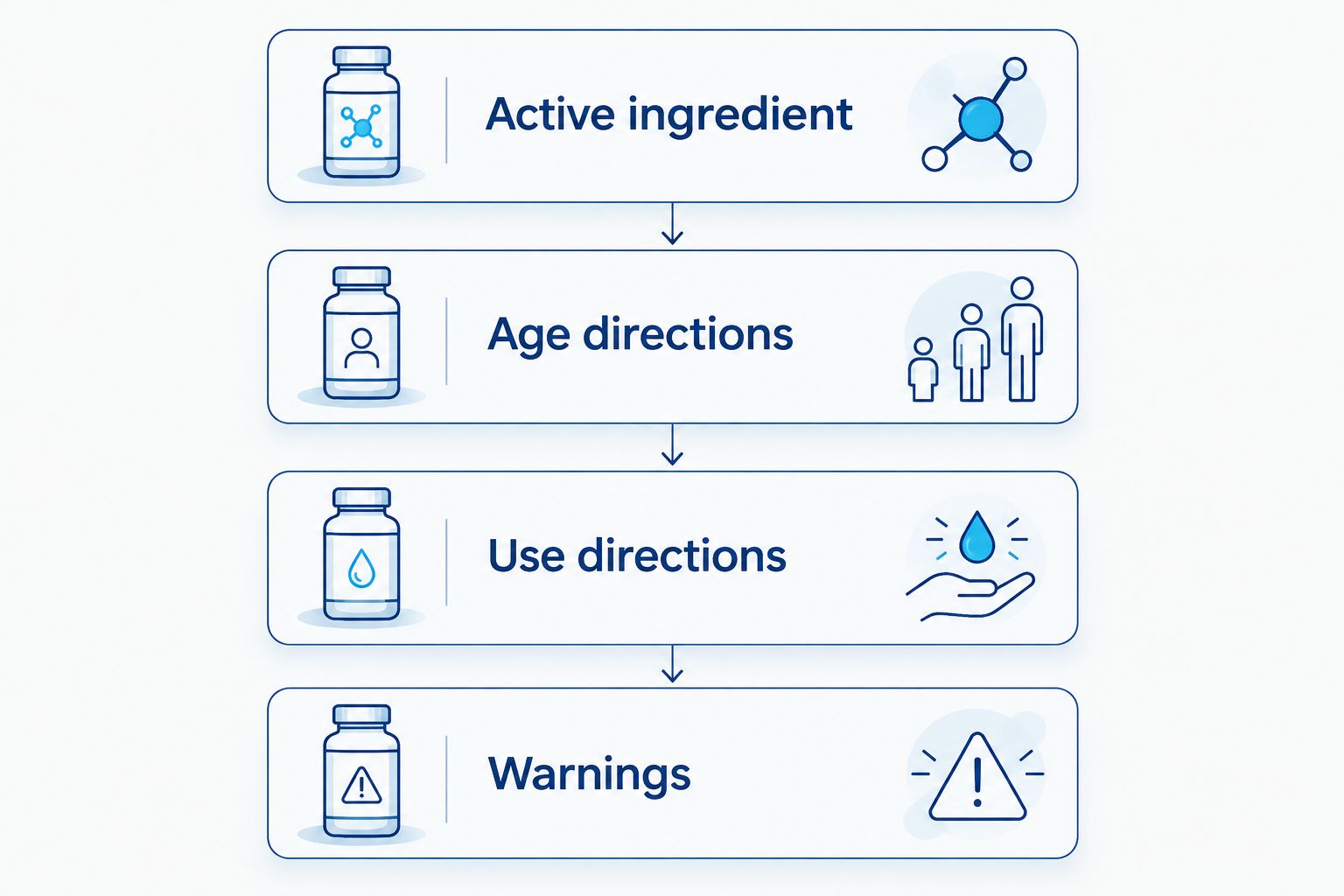
Before buying, read the Drug Facts panel rather than relying on the front label. Confirm the active ingredient, purpose, age directions, and warnings together.
Verdict: Buy if your child meets the safety requirements and the rinse fits the dental prevention plan.
2. Family fluoride rinse: best for older children sharing a bottle
A family fluoride rinse is an option when its directions explicitly permit your child’s age group. The word “kids” on the front is not the active ingredient; the formula and instructions determine suitability.
Choose an alcohol-free fluoride product rather than assuming every adult mouthwash is appropriate. A rinse marketed mainly for breath, whitening, or gum concerns is not automatically a substitute for an anti-cavity rinse.
Family fluoride rinse pros:
- A suitable formula can simplify the household’s oral-care supplies.
- Fluoride remains the cavity-prevention ingredient regardless of packaging style.
- Older children can learn to read the same safety directions adults follow.
Family fluoride rinse cons:
- Strong flavors can make consistent use difficult.
- Directions can differ from a child’s previous rinse.
- A shared bottle still requires safe storage away from younger siblings.
Best for: An older child who tolerates the formula and falls within its labeled age instructions.
When changing bottles in 2026, read the new directions from the beginning. Do not carry over the previous product’s measuring amount, swishing time, or frequency by habit.
Verdict: Buy only when the exact family formula is age-appropriate and alcohol-free.
3. Dentist-directed fluoride rinse: best for recurrent cavities
Children who keep developing cavities need an assessment of the whole prevention routine, not simply a different flavor. A dentist can determine whether an over-the-counter rinse, a prescription product, or another preventive measure fits the situation.
“Dentist-directed” describes individual selection and instructions. It does not mean every child needs a stronger rinse or that prescription treatment replaces daily cleaning.
Dentist-directed fluoride rinse pros:
- Selection accounts for cavity history and the child’s ability to use rinse safely.
- Instructions can address other fluoride products already in the routine.
- The discussion can identify whether sealants, professional fluoride, or changes in eating habits deserve attention instead.
Dentist-directed fluoride rinse cons:
- It requires assessment rather than a quick shelf comparison.
- Specific instructions demand careful adult supervision.
- A rinse still cannot repair a hole in a tooth or remove trapped plaque.
Best for: A child with recurrent cavities or a prevention routine that needs individual review.
Dental Arts of Atlantis provides pediatric dental care for families in Palm Beach County. Bring the current toothpaste and rinse labels to the visit so the discussion covers what your child actually uses.
Verdict: Hold off on changing fluoride products until the dentist specifies the appropriate choice.
How to read the bottle without getting distracted
Start with the back label. The front tells you how a product is presented; the Drug Facts panel tells you its active ingredient, purpose, directions, and warnings.
Work through these checks in order:
- Active ingredient: Confirm that the label identifies fluoride and an anti-cavity purpose.
- Age directions: Check whether the product permits your child’s age and requires supervision.
- Use directions: Follow the stated amount, duration, frequency, and after-use restrictions.
- Warnings: Read swallowing precautions and storage instructions before opening the bottle.
An ADA Seal of Acceptance is another useful check when comparing eligible products. Look for the benefit associated with that specific product rather than treating every oral-care seal or claim as equivalent.
Your 2026 shopping checklist should end with one practical question: can your child follow these instructions calmly and reliably? If not, leave the rinse out and ask the dentist about alternatives.
How to fit mouth rinse into your child’s routine
Keep brushing as the foundation. The American Dental Association recommends brushing with fluoride toothpaste for 2 minutes, twice daily; mouth rinse does not replace either session.
Do not automatically add rinse immediately after brushing. Rinsing right after toothpaste can wash away the concentrated fluoride left on teeth, so ask your dentist about a separate time that fits the product’s directions.
Some fluoride-rinse labels instruct users to avoid eating or drinking for 30 minutes afterward. Follow the exact bottle rather than applying that instruction to every product.
For a safer routine:
- Measure the amount specified on the label; do not estimate a mouthful.
- Supervise swishing and spitting, even when your child feels independent.
- Never encourage swallowing or turn rinsing into a contest.
- Replace the cap and store the bottle out of children’s reach.
- Stop use if your child develops irritation or cannot manage the rinse safely.
If your child swallows more than the amount used for rinsing, follow the product’s warning instructions and contact Poison Control for guidance. Do not wait for symptoms or induce vomiting.
When another bottle is not the next move
Persistent tooth pain, swelling, a visible hole, or a broken tooth needs dental evaluation. Do not use mouth rinse to postpone care.
Early enamel mineral loss and an established cavity are different problems. The guide to whether a cavity can be reversed without a filling explains why prevention products cannot replace treatment for every stage of decay.
Also review frequent snacking, sweet drinks between meals, missed brushing, and difficulty cleaning between teeth. Those details help explain why a child remains cavity-prone even when the bathroom shelf is full.
How these options were ranked
This 2026 comparison ranks buying categories by fluoride purpose, age suitability, swallowing safety, and practical use. It does not rank commercial brands by unverified performance claims or treat flavors as evidence of cavity protection.
The child-labeled option comes first because it gives families a straightforward starting point. The family option serves older children with compatible directions; dentist-directed selection addresses needs that a shopping comparison cannot resolve.
Which anti-cavity mouth rinse should you choose?
Choose an alcohol-free, child-labeled fluoride rinse when your child safely spits, meets the label’s age requirement, and needs the extra preventive step. Choose a family formula only after checking its directions; seek individual advice when cavities recur.
Dental Arts of Atlantis offers pediatric dentistry for Lake Worth families who want help choosing an age-appropriate cavity-prevention routine. You do not need to solve every product decision before the appointment—bring your questions and current labels.
FAQ
What’s the best anti-cavity mouth rinse for kids?
An alcohol-free fluoride rinse that matches the child’s age and ability to spit is the best starting choice when a rinse is recommended. Read the specific label and ask the dentist whether your child needs this extra step.
Can my child use mouth rinse before age 6?
Children younger than 6 years generally should not use mouth rinse unless a dentist recommends it. Young children are more likely to swallow rinse rather than spit it out reliably.
Is fluoride-free mouthwash good for preventing cavities?
Fluoride-free mouthwash does not provide fluoride’s established cavity-prevention benefit. Fresh breath and a pleasant flavor do not establish that a rinse prevents cavities.
Is children’s mouthwash better than regular mouthwash?
Children’s packaging alone does not make a rinse better. Compare the active ingredient, alcohol content, age instructions, and warnings on the exact products.
Should kids use mouth rinse right after brushing?
Do not automatically schedule mouth rinse immediately after brushing. Ask the dentist about a separate time so rinsing does not wash away the concentrated fluoride left by toothpaste.
Can mouth rinse fix an existing cavity?
Mouth rinse cannot repair an established hole in a tooth. Fluoride supports prevention and remineralization of early enamel mineral loss, but a dentist must determine whether treatment is needed.
Does every child need an anti-cavity mouth rinse?
No, not every child needs mouth rinse. Fluoride toothpaste, effective cleaning, eating habits, and individual cavity risk determine whether adding a rinse makes sense.
One last thing
The ability to spit matters more than enthusiasm for a new flavor. If your child swallows rinse, pause the product rather than practicing with repeated doses. For your next 2026 dental visit, bring a photo of the entire label—not just the bottle’s front.
Related guides
- Fluoride treatments for cavity-prone kids
- Dental sealants for school-age kids
- How to get kids to floss without a fight