
Acid reflux enamel erosion is preventable when you rinse with water instead of brushing right after a reflux episode, wait 30 minutes before brushing at all, and treat the underlying GERD with your physician. The damage is permanent once enamel dissolves, so timing matters more in 2026 than which toothpaste sits in your cabinet.
- Acid reflux enamel erosion prevention starts with rinsing, not brushing, right after a reflux episode.
- Stomach acid sits at pH 1.5-3.5; enamel starts dissolving at pH 5.5, so any reflux event is corrosive.
- Nighttime reflux causes more damage than daytime reflux because saliva flow drops during sleep.
- Treating GERD itself, not just the teeth, is the only way to stop repeat erosion.
- Dental Arts of Atlantis checks for early erosion patterns at routine cleanings before pain starts.
Why this matters
Enamel doesn't grow back. Once acid softens and strips it, you're managing sensitivity and thinning teeth for the rest of your life, not reversing a cavity with a filling. Reflux-driven erosion tends to show up on the backs of upper front teeth and the chewing surfaces of molars first, since that's where refluxed acid pools. If you already notice tooth sensitivity to hot and cold, that's frequently the first sign enamel has already thinned past the point where prevention alone fixes it.
GERD is common enough in 2026 that dentists routinely see the dental fallout before a patient's physician even confirms the diagnosis. The mouth often tells the story first.
How to prevent enamel erosion from acid reflux
The sequence matters as much as the individual steps. Do these in order after a reflux episode and consistently between episodes:
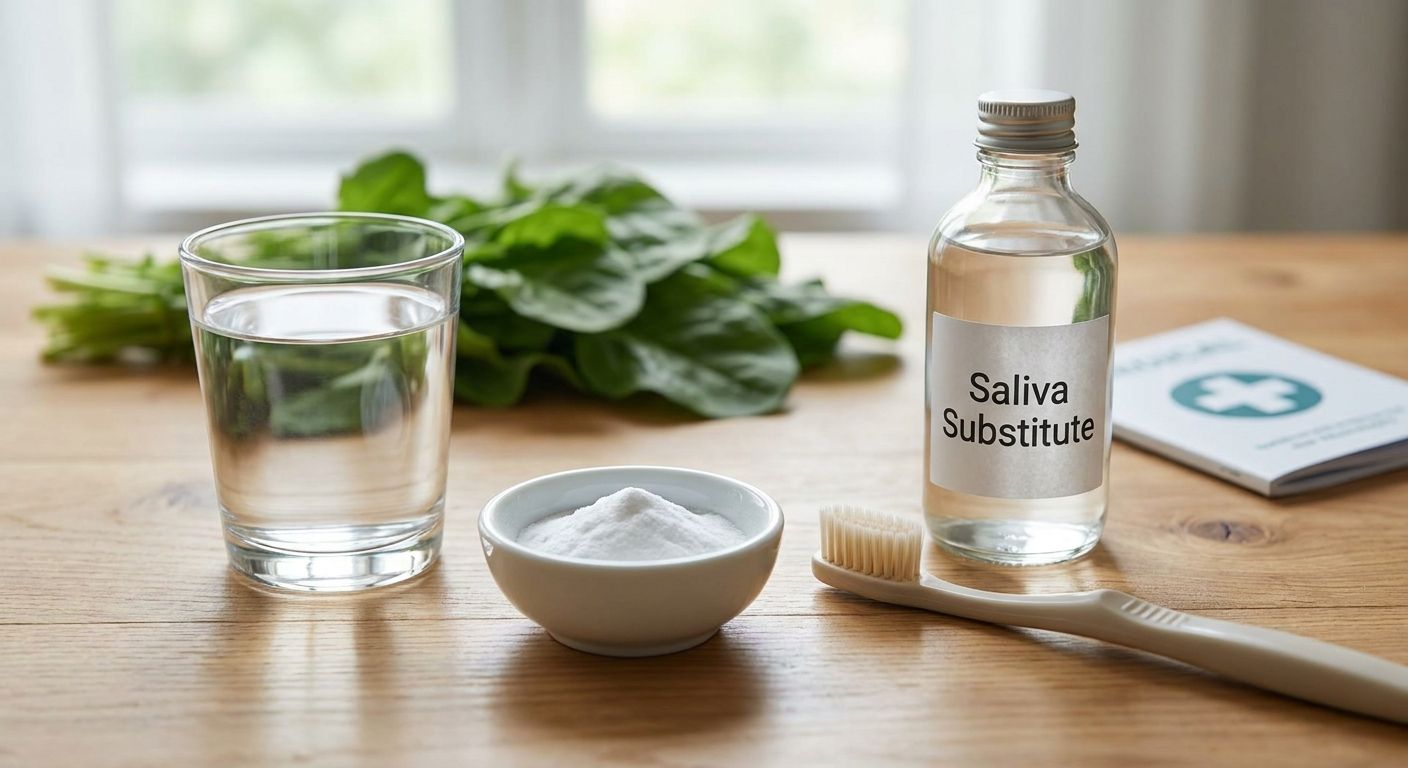
- Rinse immediately with plain water or a baking soda solution (half a teaspoon in a cup of water) to neutralize acid on contact.
- Wait at least 30 minutes before brushing. Acid softens enamel temporarily; brushing right away scrubs away the softened layer instead of letting saliva remineralize it.
- Chew sugar-free gum for 15-20 minutes after an episode to boost saliva flow, which buffers acid and carries calcium and phosphate back to the tooth surface.
- Treat the reflux itself. Diet changes, meal timing, and medication managed with your physician reduce how often acid reaches your mouth in the first place.
- Switch to a fluoride or remineralizing toothpaste at night, when saliva flow is lowest and acid exposure does the most damage.
- Sleep with your head elevated 6-8 inches to reduce nighttime reflux, which is the exposure window that causes the most erosion.
- Keep a six-month cleaning schedule so a dentist can track enamel thinning before it turns into sensitivity or visible notching.
| Step | When to do it | Why it works |
|---|---|---|
| Rinse with water/baking soda | Immediately after reflux | Neutralizes acid before it sits on enamel |
| Wait to brush | 30+ minutes post-reflux | Prevents scrubbing softened enamel |
| Elevate head while sleeping | Every night | Cuts nighttime acid exposure |
| Fluoride toothpaste | Nightly | Rebuilds mineral content in weakened enamel |
| Dental checkup | Every 6 months | Catches thinning before pain or notching appears |
Why acid reflux enamel erosion varies person to person
- Reflux frequency — occasional heartburn erodes far less than daily GERD left untreated for years.
- Nighttime vs. daytime reflux — nighttime episodes do more damage because saliva production drops during sleep, leaving acid in contact with teeth longer.
- Dry mouth or medications — reduced saliva flow, common with antihistamines, antidepressants, and some blood pressure drugs, removes the natural buffer that would otherwise dilute acid. If dry mouth from medication is part of your situation, erosion accelerates faster than reflux alone would predict.
- Brushing habits right after episodes — brushing within minutes of a reflux event is one of the most common self-inflicted causes of accelerated erosion.
- Diet on top of reflux — citrus, soda, and wine add their own acid load on top of what GERD is already delivering.
- How long GERD has gone untreated — erosion is cumulative; five years of untreated reflux does measurably more damage than five months.
GLP-1 medications like Ozempic and Wegovy have also been linked to increased reflux symptoms in some users, which is worth flagging to your dentist if you've started one recently — the erosion pattern can show up before the connection is obvious. Users managing that side effect sometimes look into digestive enzyme support for GLP-1 users as part of a broader plan to reduce reflux frequency, which indirectly protects enamel by cutting down on acid exposure events.
Does acid reflux always cause enamel erosion?
No — occasional, well-controlled reflux may never produce measurable erosion, but chronic or untreated GERD almost always does over a period of years. The deciding factor is exposure frequency, not a single episode.
Can acid reflux enamel erosion be reversed?
Enamel loss itself cannot be reversed because enamel doesn't regenerate once it's gone, but early-stage softening (before actual structural loss) can partially remineralize with fluoride and saliva. That's the narrow window where prevention still works instead of just slowing further loss.
How do I know if reflux is damaging my teeth?
Sensitivity to hot, cold, or sweet foods, a yellowish or translucent look to the edges of front teeth, and rounded or cupped molar surfaces are the earliest visible signs. A dentist can usually spot the pattern before you notice symptoms yourself.
Regular checkups matter here because reflux-related erosion is quiet in its early stages. If dental anxiety has kept you from scheduling one, options like sedation dentistry for anxious patients exist specifically so that avoidance doesn't turn into years of unmonitored damage.
FAQ
What does acid reflux enamel erosion look like?
Acid reflux enamel erosion typically shows up as thinning, yellowing, or translucent edges on the backs of upper front teeth and cupped or rounded surfaces on molars. It develops gradually over months to years of repeated acid exposure, so early stages often go unnoticed without a dental exam.
How does acid reflux enamel erosion prevention actually work?
Acid reflux enamel erosion prevention works by rinsing with water immediately after reflux, waiting 30 minutes before brushing, and treating the underlying GERD so acid reaches your teeth less often. Fluoride toothpaste and elevated sleep positioning add a second layer of protection against nighttime exposure.
Is acid reflux enamel erosion reversible?
No, enamel loss from acid reflux is not reversible once structural erosion occurs, since enamel does not regenerate. Early-stage softening can sometimes remineralize with fluoride and saliva before actual loss sets in, which is why catching it early matters.
Can GERD medication protect my teeth from erosion?
Yes, GERD medication that reduces stomach acid production or reflux frequency directly reduces the acid exposure that causes enamel erosion. Managing reflux with a physician is one of the most effective prevention steps available.
Should I brush my teeth right after acid reflux?
No, brushing right after acid reflux scrubs away enamel that acid has temporarily softened, making erosion worse. Rinse with water or a baking soda solution instead and wait at least 30 minutes before brushing.
Does nighttime reflux cause more enamel damage than daytime reflux?
Yes, nighttime reflux causes more enamel damage because saliva production drops during sleep, leaving acid in contact with teeth longer without the natural buffering saliva provides. Elevating your head while sleeping reduces this exposure window.
Can children get enamel erosion from silent reflux?
Yes, silent reflux in children can erode enamel the same way it does in adults, often without the classic heartburn symptoms that would otherwise flag the problem. A pediatric dental exam is the most reliable way to catch it early.
How often should I see a dentist if I have GERD?
See a dentist every six months if you have GERD, since erosion progresses quietly and a routine cleaning is where thinning enamel gets caught before it turns into sensitivity or visible damage.
One last thing
The detail most patients miss: it's not the reflux event itself that does the worst damage, it's what you do in the ten minutes after. Rinsing with water and waiting before brushing costs nothing and prevents more erosion than any toothpaste swap. If reflux has been a recurring issue through 2026, the next step isn't a different prevention routine — it's a dental exam to see how much erosion has already happened and whether a checkup and cleaning plus a look at safe whitening options for thinning enamel should be part of the plan going forward.
Get enamel erosion checked early
A routine exam catches reflux damage before sensitivity or pain sets in.
Related guides
- How often adults should get a dental checkup and cleaning
- How to stop tooth sensitivity to hot and cold
- How to manage dry mouth caused by medication
- How to whiten teeth safely without damaging enamel
- Sedation dentistry for anxious patients