
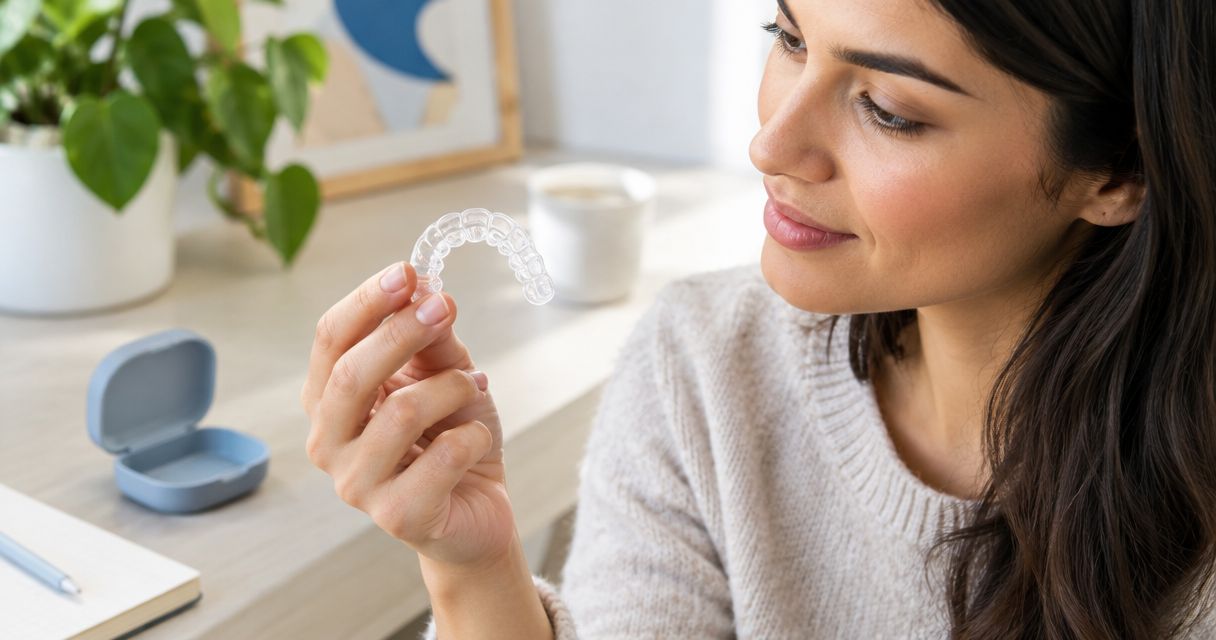
You can sometimes reuse an old retainer after years without wearing it, but only if it remains intact, fits correctly, and a dentist or orthodontist confirms that it is appropriate for your teeth now. Do not force a tight, painful, or partly seated retainer into place: your teeth, the appliance, or both might have changed.
- To reuse old retainer appliances safely, get the fit checked before restarting wear after years away.
- A retainer that hurts, rocks, or leaves gaps needs assessment, not extra pressure.
- A replacement retainer holds your current alignment; orthodontic treatment addresses unwanted tooth movement.
- Dental Arts of Atlantis offers family dentistry and Invisalign for Palm Beach County families.
Can you reuse a retainer after years of not wearing it?
Yes, in some cases—but an old retainer's age alone does not establish whether you can wear it safely. The deciding questions are whether it matches your current tooth positions, whether its material is sound, and whether your teeth and gums are healthy.
If the appliance no longer fits, review the options for replacing a lost or broken retainer rather than trying to reshape it yourself. The practical choices in 2026 depend on what you want to preserve or change:
| Option | Best for | Main benefit | Limitation |
|---|---|---|---|
| Reusing the existing retainer after approval | People whose intact retainer still fits correctly | Continues retention without changing appliances | Does not address damage or significant alignment changes |
| Making a replacement retainer | People happy with their current tooth positions | Holds the alignment recorded for the new appliance | Does not straighten teeth back to their previous positions |
| Reassessing orthodontic treatment | People bothered by returning crowding, spacing, or bite changes | Evaluates how to correct unwanted movement | Requires a treatment assessment and retention afterward |
Choose the goal before choosing the appliance: holding today's alignment and restoring an earlier smile are different jobs. A retainer that looks familiar is not proof that it still matches your mouth.
Why this matters
Teeth can move after orthodontic treatment, including long after braces or aligners are finished. Retainers help maintain alignment, but they depend on a suitable fit and a wear schedule prescribed for you.
Returning to retainer wear in 2026 does not mean you have to repeat your original treatment. It means checking what changed before deciding what comes next. There is no reason to feel embarrassed about a lapse; the useful step is an honest assessment of your teeth now.
An old retainer that still fits: get approval before restarting
A potentially usable removable retainer sits fully over the intended teeth without force, rocking, or obvious gaps. It should not cut your gums or cause sharp, localized pain. Even when it appears to fit, an examination can identify problems you cannot judge in a mirror.
Bring the appliance rather than describing it from memory. Your clinician can inspect the material, compare its fit with your current alignment, and check your bite and gum health.
The benefit of keeping a suitable existing retainer is straightforward: it can continue its original retention role. The limitation is equally important: visual appearance alone cannot confirm its fit or condition. An appliance that looks fine in its case still needs to work correctly in your mouth.
An old retainer that feels tight: do not push through pain
Tightness after a long break can reflect tooth movement, distortion of the appliance, or another change affecting fit. You cannot reliably tell the cause by pressing harder or wearing the retainer longer.
Remove an appliance that causes pain, will not seat fully, or injures soft tissue. Do not bite down to force it into position, and do not use pain medicine simply to tolerate wearing it.
A clinician sometimes recommends a specific wear adjustment for a retainer that still fits, but that decision follows an assessment. It is not a reason to start an unsupervised schedule after years without use. Pressure is not proof that an old retainer is safely straightening your teeth.
An old retainer that is cracked or warped: stop using it
Cracks, sharp edges, missing pieces, bent wires, and obvious distortion are reasons to set the appliance aside. Damage can change how the retainer contacts your teeth or create an edge that irritates your mouth.
Do not repair it with household glue, trim it with scissors, or bend its wire yourself. Heating plastic to make it fit also changes the appliance rather than correcting the underlying reason it stopped fitting.
Keep the damaged retainer and bring it to your appointment. It can still help explain what you wore, but it should not serve as a home repair project. A replacement needs to match the alignment you and your clinician intend to retain.
Why an old retainer's fit varies
The length of the break matters less than the condition of your mouth and appliance when you return. These factors help explain why someone else's experience does not predict yours:
- Tooth movement: Crowding, rotation, or spacing can change the relationship between teeth and the retainer.
- Appliance condition: Cracked plastic, distorted acrylic, or bent wire can alter contact and seating.
- Heat exposure: Hot water and other heat sources can distort some removable retainers.
- Dental treatment: Fillings, crowns, and other changes to tooth shape can affect how an older appliance fits.
- Gum and bone health: Problems with the tissues supporting your teeth require assessment before decisions about tooth movement.
- Retainer design: Clear removable retainers, wire-and-acrylic retainers, and bonded retainers require different checks and care.
An old appliance also cannot tell you whether your current bite is healthy. That is why a fit check should consider your teeth and gums, not just whether you can get the plastic over your front teeth.
What should you do before wearing an old retainer again?
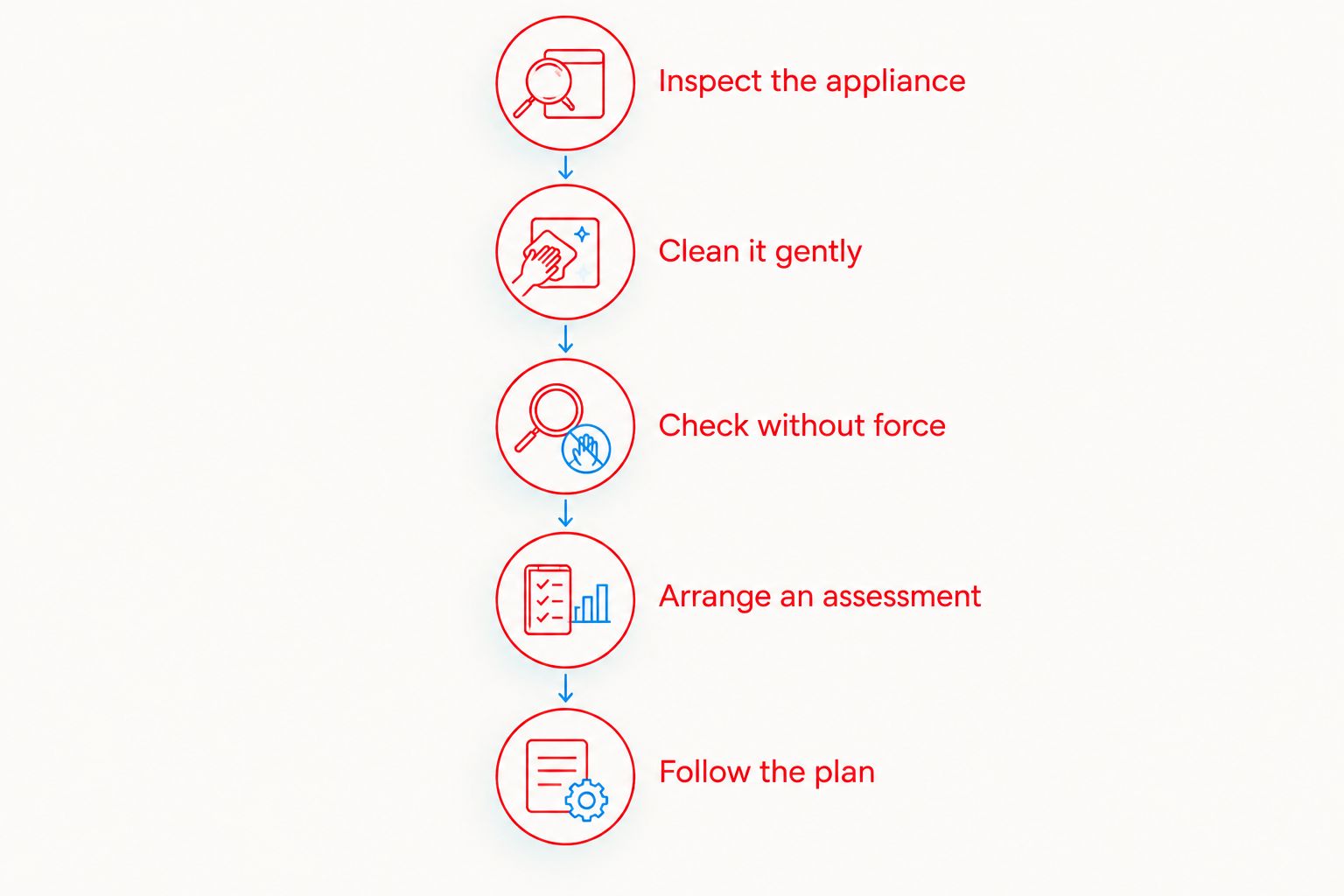
Use this sequence to prepare for a professional assessment, not to approve the retainer yourself. Stop before any step that requires force or causes discomfort.
- Inspect the appliance. Look for cracks, sharp edges, bent wires, missing material, or obvious changes in shape. Set damaged appliances aside.
- Clean it gently. Follow the original instructions for its material. If those instructions are missing, ask your dental office before using a cleaner or soaking solution.
- Check without force. Do not push past resistance or bite it into position. Pain, rocking, or incomplete seating means you should stop.
- Arrange an assessment. Bring the retainer and explain how long it has been out of use, what you notice, and what result you want.
- Follow the plan. Resume wear only with an appropriate schedule, or discuss replacement and treatment if the old appliance is unsuitable.
In 2026, a useful appointment starts with your actual appliance and a clear goal. Tell the clinician whether you want to prevent more movement, correct returning crowding, or simply find out whether the retainer remains usable.
For families seeking general dental care and Invisalign in Lake Worth, Dental Arts of Atlantis is a local option. An examination—not a description online—determines the appropriate next step for an individual retainer or alignment concern.
You can contact the office to explain your concern before your visit. Mention pain, damage, loose teeth, recent dental work, or a change in the way your teeth meet.
How should you clean a retainer stored for years?
Cleaning removes deposits and debris; it does not restore a damaged appliance or make an incorrect fit safe. Check the retainer's material-specific instructions before choosing a cleaning product.
Avoid boiling water, dishwashers, and attempts to sterilize an appliance with heat. Do not assume that a product intended for another dental appliance is suitable for yours. If deposits remain or you are unsure what the retainer is made from, bring it for assessment rather than scraping it aggressively.
For a retainer taken out of storage in 2026, the priority is still condition before reuse. A freshly cleaned crack is still a crack, and an appliance that smells better can still fit poorly.
Clean the storage case according to its instructions as well. After your clinician approves continued use, ask for a cleaning routine that matches the appliance rather than relying on an old internet tip.
Can an old retainer straighten teeth that have shifted?
An old retainer is not a substitute for a new orthodontic treatment plan. Retainers primarily maintain alignment; aligners and braces move teeth through a planned course of treatment.
Some limited movement concerns can be managed with clinician-directed retainer adjustments or wear changes, depending on the appliance and examination. That does not mean you should force an old retainer over visibly shifted teeth.
If you dislike returning crowding or a gap, say so before having a replacement made. A new retainer generally holds the tooth positions recorded for it; it does not automatically recreate the alignment you had when treatment ended.
Should you sleep in an old retainer to see whether it works?
Do not use an overnight trial to test a painful or poorly fitting retainer. If it does not seat correctly while you are awake, sleeping in it does not establish that it is safe.
Ask for an assessment and a current wear schedule instead. Stop using an appliance that causes sores, significant pain, or a new problem with your bite.
Does a bonded retainer need checking after years?
A bonded retainer needs professional checks even though you do not remove it. A loose bond or damaged wire can affect retention, and part of the appliance can remain attached while another part has failed.
Do not pull off or bend a loose wire yourself. Arrange an assessment if you notice movement, a sharp area, or a section that no longer feels attached.
FAQ
Can I reuse an old retainer if it still fits?
An intact old retainer that still fits correctly can sometimes be reused after professional approval. After years without wear, have a dentist or orthodontist check your teeth, gums, bite, and appliance before restarting.
Is it normal for my old retainer to hurt?
Pain is a reason to stop wearing an old retainer and have its fit checked. Do not assume pain means the appliance is safely moving your teeth back.
Can I bite down to get my retainer back on?
Do not bite down to force a retainer into place. Incomplete seating or resistance needs assessment rather than extra pressure.
Will a new retainer fix teeth that moved?
A new retainer generally holds the tooth positions recorded when it is made rather than correcting unwanted movement. If you want straighter teeth again, discuss that goal before ordering a replacement.
Can I use hot water to reshape my retainer?
Do not use hot water to reshape a retainer. Heat can distort the material and does not provide controlled correction of its fit.
How many hours should I wear a retainer after years without it?
Your dentist or orthodontist should prescribe the wear schedule after checking the appliance and your current alignment. Do not restart an old schedule or increase wear to push through pain.
Can Dental Arts of Atlantis help me discuss shifted teeth?
Dental Arts of Atlantis offers general dentistry and Invisalign in Lake Worth, Florida. An examination can help clarify your alignment concerns and the appropriate next step; bring your old retainer to the visit.
One last thing
A replacement retainer can preserve a smile you no longer want. Before an impression or scan, explain whether you are comfortable with today's alignment or hoping to restore an earlier result.
If you are returning to retainer care in 2026, bring the old appliance even if it looks unusable. You do not need to force it back on to make the appointment worthwhile; knowing what you wore helps frame the conversation.
Related guides
- How to care for your retainer after Invisalign treatment
- Invisalign for adults: how it works and what to expect
- Can adults still get orthodontic treatment at any age?