
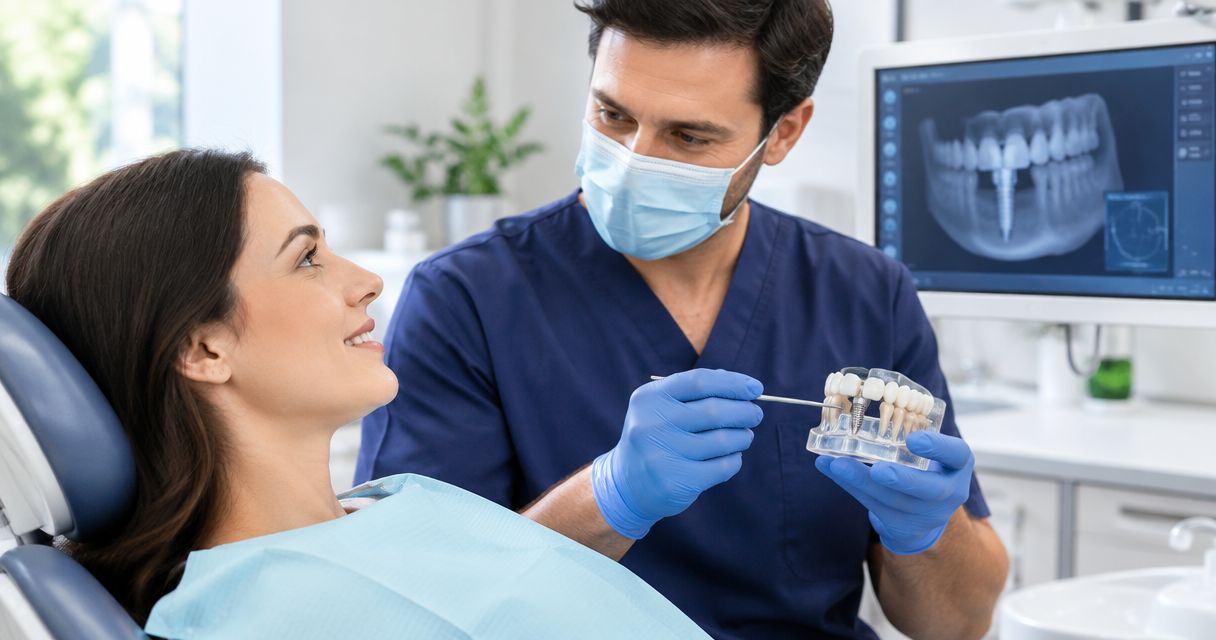
Dental implant surgery is usually not painful during the procedure, because the area is numbed with local anesthesia before the work starts. Most of the discomfort comes afterward, as soreness and swelling that fade over the first several days.
- Dental implant surgery is done under numbing, so you feel pressure rather than pain during the procedure.
- Soreness, swelling and mild bruising after surgery are normal and manageable with the pain plan your dentist gives you.
- Sedation options exist for anxious patients, so fear of pain should not keep you from treatment.
- Severe or worsening pain after the first few days is not normal. Call your dentist.
The short verdict: at Dental Arts of Atlantis, the goal is a soft and gentle experience, and for most patients a single implant feels closer to a tooth extraction than to major surgery.
Why this matters
Fear of pain is one of the most common reasons people put off replacing a missing tooth. Missing teeth in 2026 still lead to bone loss, shifting neighbors and chewing problems, so knowing what the procedure actually feels like helps you decide with facts instead of worry.
Is dental implant surgery painful?
During the procedure, no. Your dentist numbs the surgical site first, and you should feel pressure and vibration but not sharp pain. If you feel anything sharp, say so and more anesthetic is given.
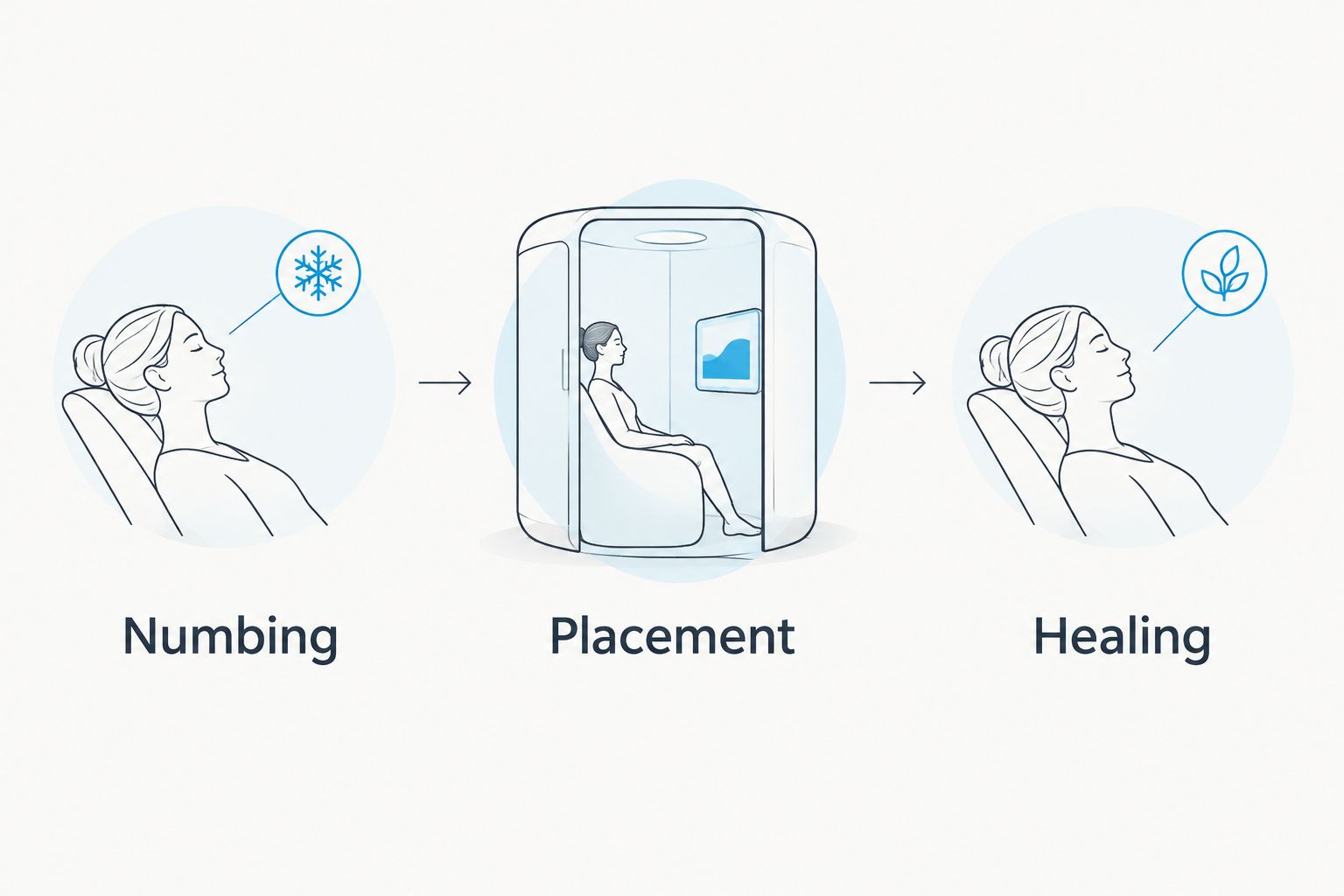
The experience breaks down into three phases:
- Before surgery: the only sensation is the numbing injection, which is brief. Planning with 3-D imaging beforehand helps the surgery go smoothly. See how 3D imaging is used to plan a dental implant.
- During surgery: pressure, vibration and sounds, with no pain in the numbed area.
- After surgery: soreness, swelling and tenderness as the anesthesia wears off, usually peaking in the first days and easing from there.
What does recovery feel like?
Expect a dull ache, some swelling of the gum and cheek, and possibly light bruising. Most people describe it as milder than they expected. Your dentist will tell you which pain relievers to use and when.
Typical aftercare points:
- Rest the first day and avoid strenuous activity.
- Use cold packs on the cheek as directed to limit swelling.
- Stick to soft foods while the site heals.
- Keep the area clean exactly as instructed.
For day-by-day guidance, read how to care for dental implants after surgery.
Why implant pain varies from patient to patient
Not every implant experience is the same. These factors change how much discomfort you feel:
- Number of implants. A single tooth is a smaller procedure than several implants. See dental implants for one missing tooth.
- Bone grafting. If the jaw needs added bone, recovery can be more involved. See bone grafting for dental implants.
- Sedation choice. Sedation changes how much of the procedure you are aware of.
- Your pain tolerance and anxiety level. Nervous patients tend to feel more tension and soreness.
- Your overall health and habits. Conditions and smoking can affect healing.
Can sedation make implant surgery more comfortable?
Yes. If needles or dental visits make you anxious, ask about sedation before your appointment. Options and how to choose are covered in the best sedation option for dental anxiety.
Ask about a comfortable implant plan
Talk through numbing and sedation options with our team.
Is getting a dental implant more painful than a tooth extraction?
For most patients, no. Implant surgery is generally compared to an extraction in terms of discomfort. If you want to see how the two compare, read how painful a tooth extraction is.
How long does implant soreness last?
Soreness is strongest right after the numbness fades and improves over the following days. Healing of the bone around the implant takes much longer, but that stage is generally painless. Pain that grows worse instead of better is a reason to call.
When is pain after an implant not normal?
Call your dentist if you notice:
- Pain that increases after the first few days instead of easing
- Swelling that keeps growing
- Fever or a bad taste or discharge near the site
- An implant that feels loose
FAQ
Is dental implant surgery painful?
The procedure itself is not painful because the area is numbed first. You may feel pressure, and soreness afterward is normal and manageable.
Do you feel anything during dental implant surgery?
You feel pressure and vibration, not sharp pain. Tell your dentist right away if anything hurts so more anesthetic can be given.
Can I be sedated for dental implant surgery?
Yes, sedation options are available for anxious patients. Discuss them with your dentist at your consultation.
Is an implant more painful than an extraction?
For most patients it is comparable or milder. Soreness after surgery is the main discomfort.
What helps with pain after implant surgery?
Cold packs, rest, soft foods and the pain medication your dentist recommends. Follow your aftercare instructions closely.
When should I worry about pain after an implant?
Worry when pain or swelling worsens after the first few days, or you develop fever or discharge. Call your dentist promptly.
One last thing
The best way to cut implant anxiety is a consultation before any surgery. Walking through the plan, imaging and sedation options in advance removes most of the unknowns. See how to prepare for your first dental implant consultation.
Related guides
- How long a dental implant takes from start to finish
- Is a dental implant worth it
- How to manage dental anxiety before a procedure