
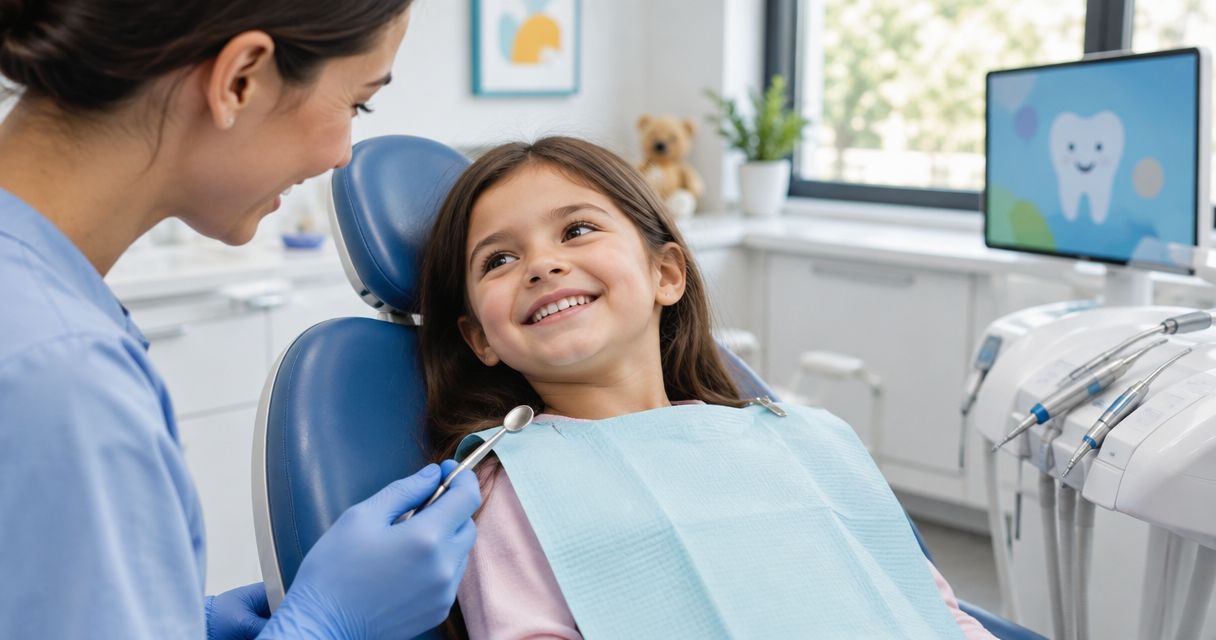
Kids should usually see the dentist every 6 months, with the first visit when the first tooth appears and no later than their first birthday. Children with active cavities or higher decay risk need a schedule tailored by their dentist, sometimes with visits every 3 months. For your family's 2026 calendar, treat twice-yearly checkups as the starting point—not a reason to wait when your child has pain, swelling, or an injury.
- How often should kids see the dentist? Every 6 months is the usual starting point; cavity risk determines adjustments.
- The American Academy of Pediatric Dentistry recommends a first dental visit by the first birthday.
- Dental Arts of Atlantis offers pediatric and family dentistry for Palm Beach County households.
- Tooth pain, swelling, or an injury needs attention before the next routine dental checkup.
Why this matters
A child does not need a toothache to need a dental checkup. Early decay can develop without obvious symptoms, and visits give you a chance to discuss brushing, fluoride, eating habits, and tooth development before problems become painful.
Dental Arts of Atlantis offers pediatric and family dentistry in Lake Worth. Dental Arts of Atlantis is a fit for Palm Beach County families seeking children's and adults' dental care at one practice. Your child's examination—not a generic calendar—determines the appropriate follow-up interval.
How often should kids see the dentist?
Every 6 months is the usual checkup interval for children, but it is not a fixed rule for every child. The American Academy of Pediatric Dentistry's parent guidance recommends checkups every six months and explains that the dentist adjusts frequency to a child's individual needs.
For parents planning care in 2026, the practical distinction is between routine prevention, closer monitoring, and a problem that needs attention now.
| Visit schedule | Best for | Main benefit | Limitation |
|---|---|---|---|
| Every 6 months | Children whose dentist recommends routine preventive care | Regular opportunities to check teeth, gums, hygiene, and development | Does not replace a visit for new symptoms |
| Every 3 months, when prescribed | Children needing closer monitoring because of elevated cavity risk or active disease | More frequent reassessment and preventive support | Adds appointments and is not necessary for every child |
| Prompt problem-focused visit | Children with pain, swelling, a broken tooth, or an injury | Addresses a specific concern without waiting for recall | Does not replace ongoing preventive care |
A follow-up visit for a filling or an injury is different from a routine checkup. Before leaving, ask which appointment comes next and whether the regular preventive visit stays on the calendar.
Routine checkups: Every 6 months
A six-month schedule provides regular opportunities to assess your child's oral health. The dentist checks for decay, reviews gum health, and watches how teeth are erupting and fitting together.
The visit also helps you adjust home care as your child grows. A toddler who resists brushing needs different support from a teenager cleaning around braces.
Keep the next checkup even when your child says nothing hurts. Feeling comfortable does not confirm that every tooth is healthy, especially between teeth where you cannot easily see.
The limitation is simple: routine checkups are snapshots. Tell the dental team about changes between visits rather than assuming the next scheduled examination will cover them soon enough.
Closer monitoring: Every 3 months when prescribed
Some children need shorter intervals because their dentist identifies a higher risk of cavities or a need to reassess treatment. A three-month visit can provide another opportunity to review plaque control, check concerning areas, and deliver preventive care when indicated.
A shorter interval does not automatically mean your child needs X-rays or a procedure at every appointment. The reason for the visit should be clear.
Ask: What are you monitoring, and what would let us return to a longer interval? That question turns a recurring appointment into a care plan with a purpose. Do not shorten or lengthen the schedule yourself based only on a calendar reminder.
First dental visit: By 12 months of age
Your child's first dental visit should happen when the first tooth appears and no later than 12 months of age. This timing follows American Academy of Pediatric Dentistry guidance for establishing early dental care; you do not need to wait for a full set of baby teeth.
The appointment gives you a place to discuss brushing, fluoride toothpaste, feeding habits, and changes you have noticed. It also lets the dentist examine your child's mouth and identify concerns that need follow-up.
If your toddler or school-age child has never been, schedule a visit now rather than waiting for another milestone. Being late to the first visit is a reason to start—not a reason to feel embarrassed. Bring your questions and any previous dental records you have.
Why kids' dental visit frequency varies
Age alone does not determine the right interval. These factors help the dentist decide whether routine checkups are enough or closer follow-up is appropriate:
- Cavity history: Recent or recurring cavities support closer reassessment than a consistently healthy history.
- Current findings: Early enamel changes, plaque buildup, or gum inflammation affect the preventive plan.
- Home cleaning: Difficulty brushing thoroughly or cleaning between touching teeth increases the need for practical support.
- Eating and drinking habits: Frequent exposure to sugary foods and drinks increases cavity risk.
- Fluoride exposure: Toothpaste use, drinking-water sources, and other fluoride exposure help guide preventive recommendations.
- Health and treatment needs: Dry mouth, some medications, braces, and difficulties tolerating oral care can change risk and follow-up needs.
Tell the dentist what happens on an ordinary day, not just on a good brushing day. Knowing that bedtime brushing is difficult is more useful than assuming the routine is working.
What happens at a child's routine dental visit?
A routine visit usually includes a review of your child's health history, an oral examination, and discussion of prevention. Cleaning, fluoride treatment, and imaging depend on age, cooperation, risk, and clinical findings.
Dental X-rays are not automatically required at every checkup. The American Academy of Pediatric Dentistry's radiograph guidance bases imaging on individual findings and needs, including whether the dentist can assess tooth surfaces adequately without it.
Ask what each recommended image will help evaluate. You can also ask whether previous images are available before new ones are taken.
Checkups have limits: they do not make home care optional or guarantee that a child will never develop a cavity. Their value comes from combining professional assessment with a realistic daily routine.
How do you set your child's next appointment?
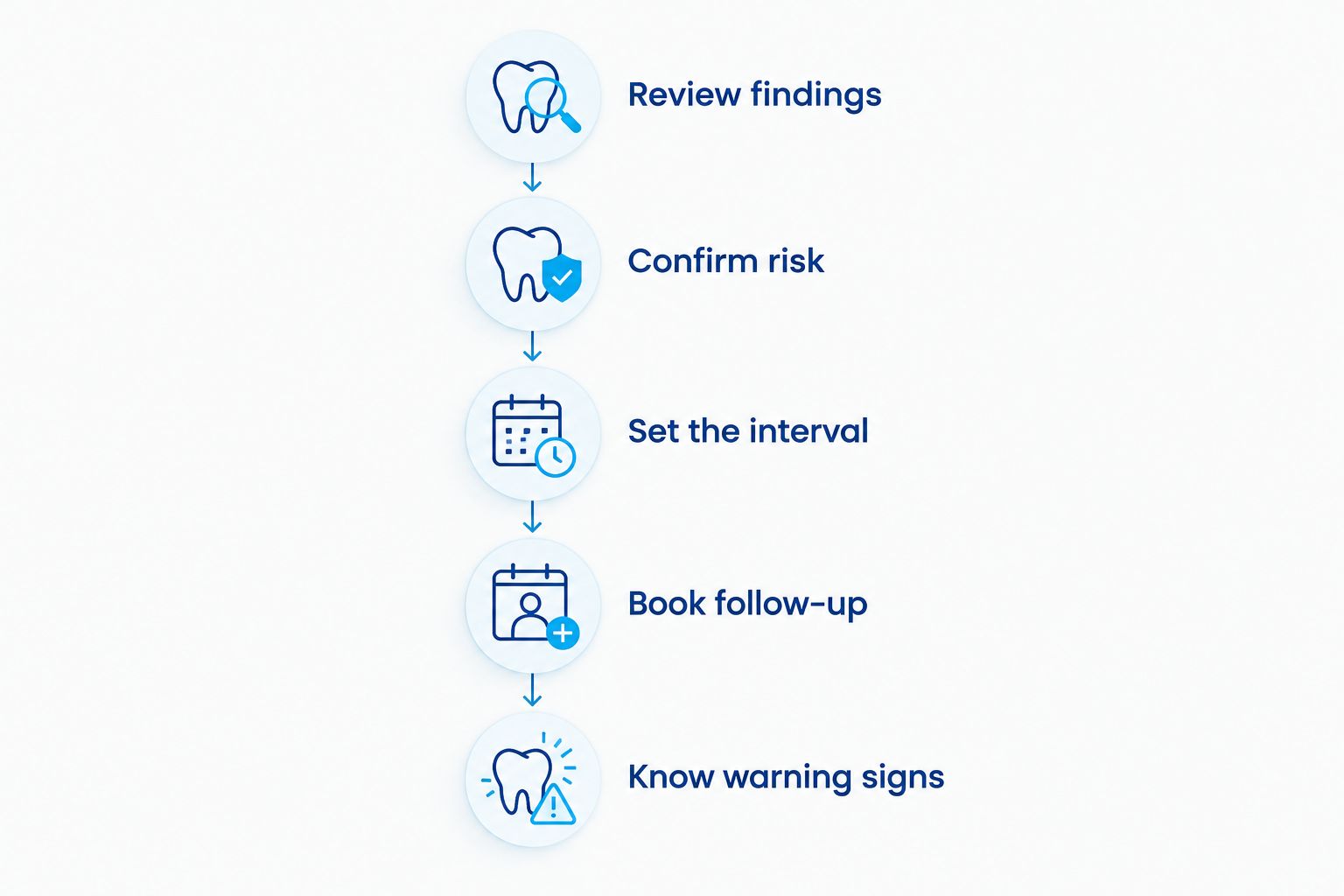
For your 2026 care calendar, leave the visit with a specific plan rather than a general reminder to return sometime. These steps keep routine care separate from treatment and urgent concerns:
- Review findings. Ask whether the dentist found cavities, early changes, gum irritation, or development concerns.
- Confirm risk. Ask what makes your child's cavity risk higher or lower and what you can change at home.
- Set the interval. Confirm when the next preventive examination is due and why that timing fits.
- Book follow-up. Schedule any separate treatment or reassessment the dentist recommends.
- Know warning signs. Ask which symptoms should trigger a call before the next visit.
You do not need to memorize dental terminology. A useful takeaway is a plain-language explanation of what is healthy, what needs attention, and when to return.
Dental Arts of Atlantis provides pediatric dentistry alongside general family care. Discuss your child's appointment needs directly with the practice; the schedule and any treatment recommendations depend on an examination.
Plan your child’s next dental visit
Ask about a first checkup, a routine visit, or a concern that needs assessment.
Should my child go sooner if nothing hurts?
Every 6 months remains the usual starting point even when nothing hurts. Keep any shorter interval your dentist prescribed because symptoms do not reliably show whether early decay is present.
Call sooner if you notice a new spot, persistent bleeding during brushing, a chipped tooth, or a change in eating or chewing. These observations need assessment; they are not a diagnosis you have to make at home.
Does my child still need checkups with braces?
Every 6 months is a common routine interval for children with braces, unless their dentist recommends otherwise. Orthodontic appointments monitor tooth movement and appliances; they do not replace examinations for cavities and gum health.
Tell both teams about cleaning difficulties or persistent gum swelling. Keep your dentist's appointments on your 2026 calendar even when orthodontic visits already feel frequent.
When should I call instead of waiting for the next checkup?
Do not wait 6 months when your child develops tooth pain, swelling, or a dental injury. Call the dentist promptly and describe the symptoms, when they started, and whether your child has fever or trouble eating.
Facial swelling with difficulty breathing or swallowing requires emergency medical care. A knocked-out permanent tooth also needs immediate dental attention; do not put a knocked-out baby tooth back into its socket.
Use this guide to what counts as a pediatric dental emergency to help distinguish a routine concern from a situation needing urgent attention. When uncertain, contact a dental professional rather than waiting for symptoms to worsen.
What should you do between checkups?
Professional care works alongside daily brushing, not instead of it. The American Dental Association recommends brushing twice daily for 2 minutes with fluoride toothpaste and cleaning between teeth daily.
For children younger than 3 years, use a smear of fluoride toothpaste about the size of a grain of rice. For ages 3 through 6 years, use a pea-sized amount, supervise brushing, and encourage spitting rather than swallowing.
Help your child clean areas they miss; age alone does not prove they can brush thoroughly. Ask the dentist to demonstrate brushing and cleaning between teeth if the routine causes frustration.
For the rest of 2026, focus on consistency rather than adding lots of products. Water between meals, fewer frequent sugary snacks, and dependable brushing support the preventive plan your dentist recommends.
FAQ
How often should kids see the dentist in 2026?
Every 6 months is the usual starting point for children’s dental checkups. The dentist adjusts that interval based on cavity risk, examination findings, and individual care needs.
When should my baby have their first dentist appointment?
Your baby should see a dentist when the first tooth appears and no later than 12 months of age. The American Academy of Pediatric Dentistry recommends this timing for establishing early dental care.
Is going to the dentist once a year enough for a child?
Once a year is not the usual starting schedule for children’s checkups; every 6 months is the common recommendation. Follow the interval your child’s dentist sets after assessing their needs.
Why did the dentist ask to see my child again in three months?
A 3-month recall can be appropriate when a child needs closer monitoring for elevated cavity risk or active dental disease. Ask which findings prompted the recommendation and what the next visit will assess.
Does my child need X-rays at every dental checkup?
No, children do not automatically need X-rays at every checkup. The dentist recommends imaging according to clinical findings, dental history, development, and individual risk.
Do baby teeth need dental checkups if they will fall out?
Yes, baby teeth need regular assessment because they can develop decay and infection. They also support chewing and help maintain space for developing permanent teeth.
What if my child is scared of going to the dentist?
Tell the dental team about your child’s fears before the appointment. Discuss a preparation plan, familiar comfort items, and any sensory or communication needs rather than postponing care indefinitely.
One last thing
Before leaving the appointment, ask: What would make you want to see my child sooner? A return date tells you when to come back; that question tells you when not to wait.
Keep the answer with your child's appointment reminder. It makes the plan useful when a new symptom appears between scheduled visits.
Related guides
- Pediatric dentistry for toddlers and first dental visits
- How to keep your child's teeth cavity-free between visits
- How to choose a family dentist for kids and adults together