
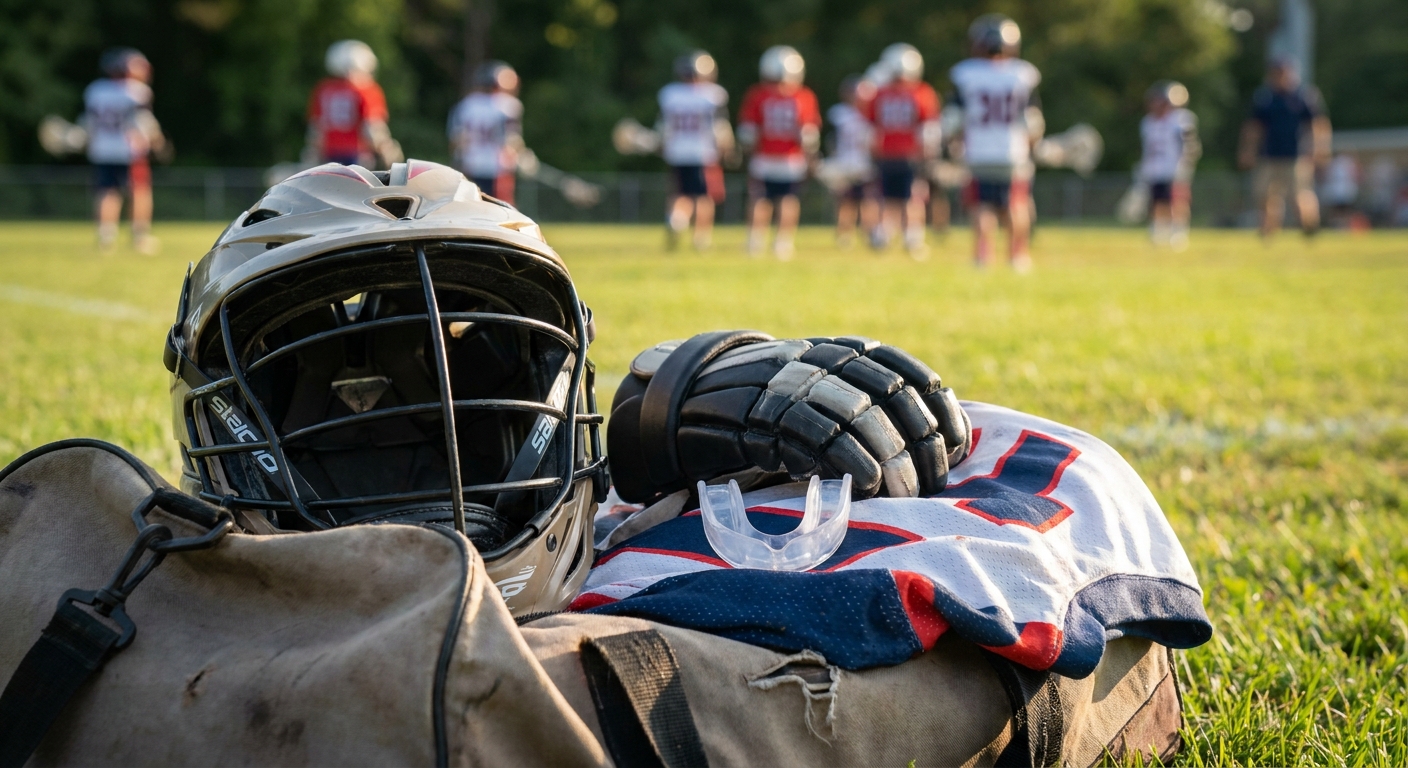
A mouthguard is the cheapest insurance policy a young athlete will ever own, and most families buy the wrong one. This guide breaks down what actually protects teeth during contact sports, who needs which type, and where a $15 store guard stops being enough.
- Custom-fitted mouthguards from a dentist are the safe pick for football, hockey, lacrosse, and wrestling in 2026 — buy one before the season starts.
- Boil-and-bite mouthguards are a reasonable fallback for lower-contact sports like soccer or basketball — consider one if budget is tight.
- Stock, one-size mouthguards sold at sporting goods stores are the weakest option for youth sports with real contact — skip them for anything beyond light recreation.
- Kids in braces need a guard designed around brackets, not a standard boil-and-bite — a generic guard can trap wires against the gums.
Why This Matters
A knocked-out or fractured front tooth from a bad hit doesn't heal on its own, and a growing child's mouth doesn't forgive a bad guess the way an adult's might. Front teeth take the brunt of collisions in youth football, hockey, lacrosse, wrestling, and even soccer goalkeeping, and the difference between a $10 guard and a properly fitted one often shows up in the emergency chair. If a hit does happen, emergency dentistry for a cracked or broken tooth covers what same-day treatment looks like, but the goal here is to keep families out of that visit entirely.
Mouthguards for youth sports aren't one product — they're a category with real gaps in protection between the cheapest and best-fitted options. Parents shopping by price alone usually end up with a guard the kid stops wearing by week three because it's bulky, doesn't stay in, or makes it hard to breathe during sprints.
Who This Is For
This guide is for parents of kids age 7 to 17 playing contact or collision sports — football, hockey, lacrosse, wrestling, boxing, martial arts, and rugby, plus higher-risk positions in soccer and basketball. It's also relevant for families managing braces, missing baby teeth, or a kid who's already chipped a tooth once and can't afford a repeat trip.
What to Look For in Mouthguards for Youth Sports
Fit around the full arch
A guard that only covers the front four to six teeth leaves molars and the jaw joint exposed to impact. Full-arch coverage spreads force across more tooth surface and reduces the chance of a single tooth taking a direct hit.
Material thickness at the biting surface
Most quality guards run 3mm to 4mm thick at the biting surface — thin enough to talk and breathe through, thick enough to absorb a real collision. Anything under 2mm at the front edge is closer to a lip guard than real protection.
Comfort during actual play, not just at rest
A guard that feels fine standing in a store often becomes unbearable after 20 minutes of sprinting and heavy breathing. Kids who can't breathe comfortably through a guard take it out mid-game, which defeats the entire purchase.
Compatibility with braces or missing teeth
Standard boil-and-bite guards are molded for a full, even arch. A kid with braces, a missing baby tooth, or teeth still shifting into place needs a guard built around that specific mouth, or brackets and wires end up pressed into soft tissue on impact.
Durability across a full season
Thinner stock guards start tearing or losing shape within a month of daily practice. A guard that needs replacing every few weeks isn't saving money over one solid purchase at the start of the season.
Attachment for helmeted sports
Football and hockey players need a guard with a strap that clips to the facemask so it doesn't end up on the ground between plays. A loose guard that falls out during a hit isn't protecting anything.
The Three Types Worth Considering
Stock mouthguards — the free-with-cleats option.
These are the pre-formed, one-size guards sold in the same aisle as shin guards, usually for $5 to $15. They cover the front teeth loosely and rely on the kid biting down to hold them in place, which most kids stop doing after the first practice. For anything with real contact — football, hockey, wrestling — this is the weakest option on the shelf. Skip for contact sports; fine only for casual, non-contact practice.
Boil-and-bite mouthguards — the practical middle ground.
Softened in hot water and bitten into shape at home, these run roughly $10 to $30 and cover more of the arch than a stock guard. Fit is inconsistent — kids often reheat and reshape them multiple times before landing on something wearable — and thickness drops in the areas they bite down hardest. Consider for lower-contact sports like soccer, basketball, or baseball where collision risk is lower than football or hockey.
Custom-fitted mouthguards from a dental office — the safe pick.
Molded from an impression of the child's actual mouth, these guards run thicker and more evenly across the whole arch, typically 3mm to 4mm at the biting surface, and stay in place without constant readjustment. They're the option dentists reach for after treating a chipped front tooth, and they're built to account for braces, missing teeth, or a mouth still growing into permanent teeth. Families dealing with an existing chip can see what repair looks like at chipped or broken front tooth replacement — the guard is meant to keep them off that page in the first place. Buy for football, hockey, lacrosse, wrestling, and any sport with regular head or facial contact.
Get Your Athlete Fitted Before Season Starts
Custom mouthguard fittings for kids and teens, built around growing mouths and braces.
What to Avoid
- A stock guard for a helmeted sport. Football and hockey generate enough force that a guard held in only by biting pressure will slip or fall out on impact, right when it's needed most.
- A boil-and-bite guard reshaped more than two or three times. Repeated reheating breaks down the material and thins the biting surface exactly where protection matters.
- A generic guard on a kid with braces. Standard molds don't account for brackets and wires — a hit can drive metal into the inner cheek or lips instead of being cushioned by the guard.
- A night guard used as a sports guard. These serve different jobs. A night guard for teeth grinding and jaw pain is built for slow, sustained pressure over hours of sleep, not the sudden impact of a hit during play. Using one for sports leaves a kid under-protected on the field.
Verdict Comparison
| Type | Cost range | Coverage | Best for | Verdict |
|---|---|---|---|---|
| Stock mouthguard | $5-$15 | Front teeth only | Casual, non-contact play | Skip |
| Boil-and-bite | $10-$30 | Most of the arch, uneven fit | Soccer, basketball, baseball | Consider |
| Custom-fitted (dental office) | Varies by practice | Full arch, consistent thickness | Football, hockey, lacrosse, wrestling | Buy |
Kids playing multiple sports across a school year — fall football into winter wrestling, for example — get the most value out of the custom option since it holds up across more practices and games than a guard meant to be replaced monthly.
Dental sealants are a separate, complementary layer worth mentioning here: many families get dental sealants for school-age kids done around the same age they start contact sports, since both address the same window of higher cavity and injury risk in growing teeth.
FAQ
What’s the best mouthguard for youth sports in 2026?
A custom-fitted mouthguard from a dental office is the best option for contact sports like football, hockey, lacrosse, and wrestling in 2026. It covers the full arch evenly and holds thickness where impact happens, unlike stock or boil-and-bite guards.
Is a boil-and-bite mouthguard good enough for football?
A boil-and-bite guard is a step up from a stock guard but still uneven in thickness and fit compared to a custom-fitted one. For football specifically, a custom guard is the safer choice given the force involved in typical hits.
How much does a custom mouthguard cost compared to a store-bought one?
Store-bought stock guards run about $5 to $15 and boil-and-bite guards run $10 to $30, while a custom-fitted guard from a dental office costs more but lasts longer and fits far more precisely. Ask a dental office directly for current pricing.
Can a kid with braces wear a regular mouthguard?
A standard boil-and-bite or stock guard isn’t molded to account for brackets and wires, so impact can drive metal into soft tissue. Kids with braces need a guard built specifically around their orthodontic hardware.
How often should a youth mouthguard be replaced?
Boil-and-bite and stock guards typically need replacing every few months as they tear or lose shape, while custom-fitted guards hold up for a full season or longer. Growing kids may also need a new fit as their mouth changes between seasons.
Do mouthguards actually prevent chipped teeth?
A properly fitted mouthguard absorbs and spreads impact force across the arch instead of letting it concentrate on one or two front teeth. A guard that’s loose, thin, or poorly fitted provides far less of that protection.
What sports actually require a mouthguard?
Football, hockey, lacrosse, wrestling, boxing, and martial arts require mouthguards in most youth leagues, and many soccer and basketball leagues recommend one for goalkeepers and post players. Rules vary by league, so check with the specific organization.
Should a mouthguard attach to a football helmet?
Yes — a strap connecting the mouthguard to the facemask keeps it from being spit out or lost on the field during a hit. This is standard on most guards built for football and hockey.
One Last Thing
The guard that gets worn is the one that actually protects a kid — a $300 custom guard sitting in a gym bag does nothing for a tooth. If a kid keeps taking a guard out mid-practice, that's the signal to get it refitted or replaced, not a sign the kid just doesn't like mouthguards.
Related Guides