
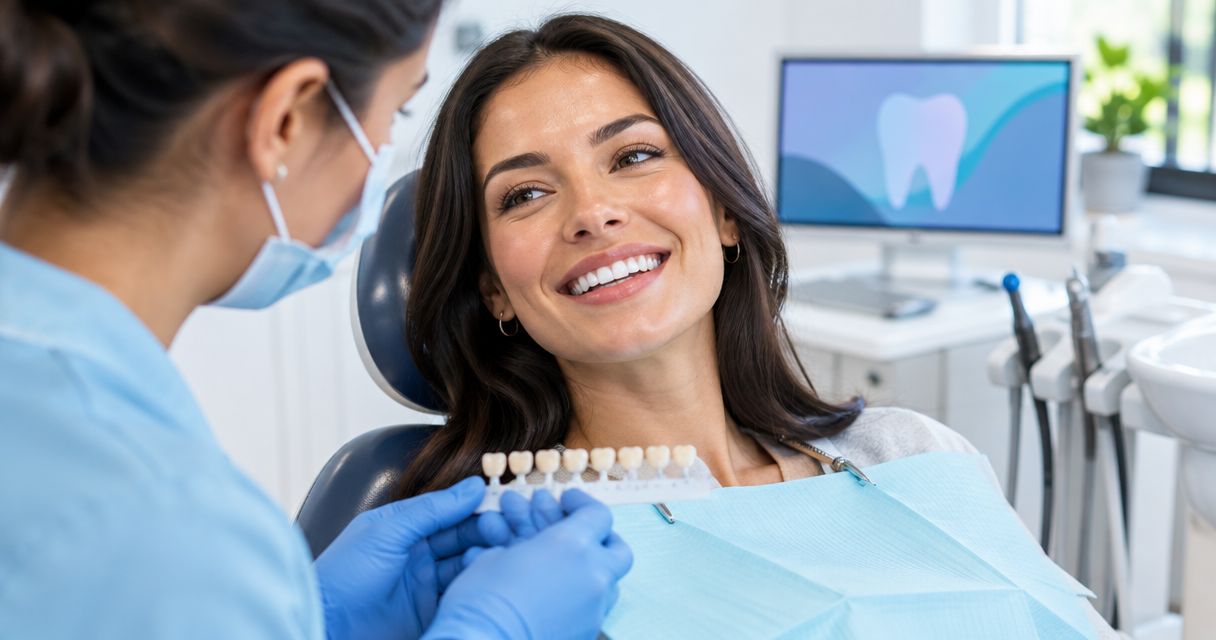
A smile makeover in 2026 has an individualized cost based on the treatments you need, the teeth involved, and your oral health—not a single package fee that applies to everyone. Preparatory dental care and ongoing maintenance also belong in your budget, so request an itemized treatment estimate before deciding.
- How much does a smile makeover cost? Your treatment plan determines the answer, not the makeover label.
- Compare cosmetic dentistry options by purpose, tooth preservation, maintenance, and what the written estimate includes.
- Dental Arts of Atlantis provides general, cosmetic, and implant dentistry for families in the Lake Worth area.
- Ask which care is necessary for dental health and which changes are elective before approving treatment.
How much does a smile makeover cost in 2026?
The useful answer is the total for your specific treatment plan, including any care needed before cosmetic work begins. A whitening-focused plan addresses a different problem than treatment involving alignment, restorations, or missing teeth. Comparing their totals without comparing their scope tells you little.
Start with this guide to getting a dental cost estimate before treatment. Ask for a written explanation of each procedure, its purpose, and whether it is included in the proposed total.
| Part of the estimate | What to ask | Why it belongs in the comparison |
|---|---|---|
| Examination and planning | Which evaluations are necessary, and are they included? | Treatment decisions depend on the condition of your teeth and gums. |
| Preparatory care | Does anything need treatment before cosmetic work? | Decay, gum problems, or damaged teeth can change the plan. |
| Cosmetic procedures | Which teeth and procedures does the estimate cover? | The same makeover label can describe different amounts of work. |
| Supporting care | Are temporary restorations, retainers, or protective appliances relevant? | A treatment plan can involve more than the visible result. |
| Follow-up and maintenance | What care is expected after treatment, and what is included? | Keeping results healthy requires an ongoing care plan. |
A clear estimate separates confirmed treatment from procedures that depend on further findings. It also identifies exclusions. If something is described only as a possibility, ask what finding would make it necessary before treating it as part of your final plan.
Why this matters
A smile makeover changes how your teeth look, but appearance is only part of the decision. Your dentist also needs to consider tooth structure, gum health, and how your teeth meet when you bite. A cosmetic plan should explain both the intended change and its effect on your dental health.
For a 2026 consultation, bring specific goals rather than asking for every available treatment. You might want lighter teeth, a repaired chip, a smaller gap, or a replacement for a missing tooth. Naming the problem makes it easier to discuss an appropriate approach without adding procedures that do not address your priorities.
You do not need to arrive knowing which procedure to choose. Bring your questions, describe what bothers you, and ask the dentist to explain the alternatives in everyday language.
Color changes: whitening-focused treatment
Best for: People whose main concern is the color of otherwise healthy natural teeth, after a dental assessment.
Whitening changes tooth color; it does not straighten teeth, repair fractures, or replace missing teeth. Its advantage is that it addresses a color concern without placing a restoration over the tooth. Its limitation is that not every discoloration responds the same way, and existing restorations do not whiten like natural enamel.
Ask whether your discoloration is a suitable whitening concern and whether sensitivity changes the recommended approach. Also discuss visible fillings, crowns, or veneers before choosing a target shade. A brighter natural tooth beside an unchanged restoration can create a mismatch.
Your estimate should identify the whitening approach and explain the maintenance expectations. Do not assume future touch-ups or replacement of mismatched restorations are included simply because whitening appears in the plan.
Small shape changes: bonding-focused treatment
Best for: Selected small chips, minor shape concerns, or gaps that a dentist determines are suitable for bonding.
Dental bonding uses tooth-colored composite material to change or repair part of a tooth. Depending on the problem, it can preserve more natural tooth structure than a more extensive restoration. The trade-off is that composite can stain, chip, or need repair over time.
Ask exactly what bonding would change. Closing a visible space does not necessarily address the position of the teeth or an underlying bite problem. The dentist should explain whether the proposed shape works with the way your teeth meet.
A bonding estimate should identify the teeth involved and the intended repairs. If several teeth need reshaping to create a balanced appearance, make sure the written scope reflects that rather than naming only the most noticeable tooth.
Front-tooth appearance: veneer-focused treatment
Best for: Selected front-tooth color or shape concerns when a dentist determines that veneers are appropriate.
Veneers cover the front surface of teeth to change their appearance. They can address concerns that whitening alone does not resolve. The limitation is that treatment can involve removing enamel, and veneers require care and eventual repair or replacement when problems develop.
Ask about tooth preservation before choosing veneers. Understand whether the proposed treatment changes natural tooth structure permanently and what alternatives would address your concern. A desired appearance is not, by itself, a reason to skip that conversation.
For a veneer-focused plan in 2026, ask which teeth need treatment and why. Your dentist should explain how the proposed material, tooth preparation, and bite assessment relate to your goals—not simply describe the result as a brighter smile.
Alignment changes: clear-aligner treatment
Best for: Suitable tooth-position concerns that require moving teeth rather than covering their surfaces.
Clear aligners move teeth according to an orthodontic treatment plan. Their advantage is that they address tooth position directly. Their limitation is that treatment requires consistent wear, monitoring, and retention after active movement ends.
Ask whether alignment would reduce the need for later cosmetic reshaping. That is a planning question, not a promise that aligners will eliminate other treatment. Teeth with chips, discoloration, or existing restorations can still need separate attention.
The estimate should explain the intended scope of treatment and what it includes after active alignment. Ask specifically about retainers and the process if further adjustments are needed. Do not assume those details are identical across treatment plans.
Damaged or missing teeth: restorative treatment
Best for: People whose smile concerns include tooth damage or missing teeth, following a dental examination.
Crowns restore selected damaged teeth, while implant treatment replaces missing teeth. These procedures address structural problems that whitening or surface bonding cannot solve. Their limitations include more involved treatment, continuing maintenance, and—in the case of implants—a surgical component.
A crown should have a dental reason beyond simply wanting a different shade. Ask why that tooth needs coverage and whether a less extensive restoration is suitable. For a missing tooth, ask about replacement alternatives and the condition of the surrounding teeth and supporting tissues.
Your estimate should distinguish the stages of treatment. If implant treatment is proposed, ask whether the plan includes the implant, connecting component, final restoration, and any additional procedures the examination identifies as necessary.
How do the treatment options compare?
Choose the treatment that addresses the diagnosed problem, not the one with the broadest cosmetic description. These categories are not interchangeable, and suitability requires an examination.
| Option | Best for | Main advantage | Main limitation |
|---|---|---|---|
| Whitening | Suitable natural-tooth discoloration | Changes color without covering the tooth | Does not change shape or whiten existing restorations |
| Bonding | Selected small chips and shape changes | Adds tooth-colored material where needed | Can stain or chip and require repair |
| Veneers | Selected front-tooth appearance concerns | Changes the visible tooth surface | Can require permanent enamel removal |
| Clear aligners | Suitable tooth-position concerns | Moves teeth rather than disguising position | Requires consistent wear and retention |
| Crowns | Selected structurally damaged teeth | Restores and covers a damaged tooth | Requires tooth preparation |
| Dental implants | Suitable missing-tooth replacement | Replaces a missing tooth without relying on adjacent teeth for support | Involves surgery and ongoing maintenance |
A plan can combine treatments, but each addition should have a clear purpose. Ask what each procedure contributes and whether the same goal has a more conservative alternative.
Why smile makeover costs vary
These factors change the scope of treatment and the estimate you need to review:
- Your main concern: Color, tooth shape, alignment, damage, and missing teeth require different approaches.
- The teeth involved: A localized repair differs from treatment across several visible teeth.
- Existing dental health: Decay, gum disease, or infection needs assessment before elective cosmetic work.
- The procedure and material: Bonding, veneers, crowns, aligners, and implants involve different clinical work.
- Treatment sequence: Some plans require preparatory care or tooth movement before final restorations.
- Maintenance needs: Retainers, restoration care, and protection from grinding belong in the longer-term discussion when relevant.
These are reasons to request an individualized estimate, not reasons to accept an unexplained total. Your dentist should connect each part of the plan to a finding or a goal you have discussed.
How do I get a useful smile makeover estimate?
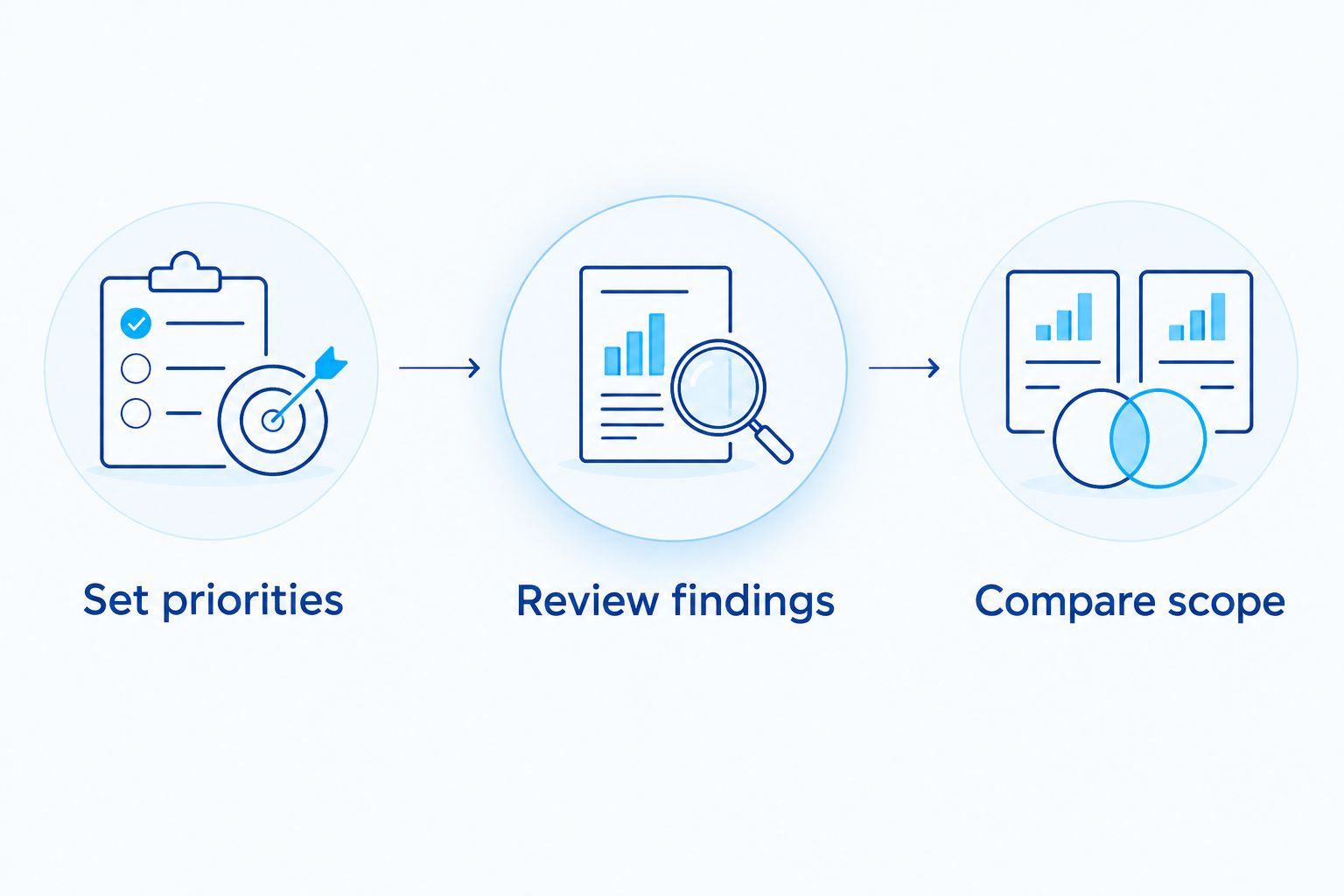
For your 2026 planning, use this sequence to turn a general cosmetic discussion into a decision you can understand.
- Set priorities. Describe what bothers you and which change matters most. Mention any sensitivity, discomfort, grinding, or deadline.
- Review findings. Ask the dentist to separate dental-health needs from elective appearance changes and explain suitable alternatives.
- Compare scope. Request an itemized written plan covering the teeth involved, procedure sequence, inclusions, exclusions, and aftercare.
The sequence matters. Choosing a cosmetic procedure before reviewing your dental health can leave you comparing plans that do not address the same problem.
Dental Arts of Atlantis is for Lake Worth families seeking general, cosmetic, and implant dental care. Its smile makeover page is a starting point for discussing cosmetic goals alongside dental-health needs. The practice offers Invisalign as well as general and implant dentistry; your examination determines which services fit your situation.
The benefit of considering those needs together is a discussion that includes both appearance and function. The limit is equally important: a service description cannot determine your suitability or replace a personalized written estimate.
Explore your smile makeover options
Review smile makeover information before discussing your goals and treatment questions.
Does dental insurance cover a smile makeover?
Dental insurance coverage depends on the procedure and your plan, not the phrase smile makeover. Purely cosmetic treatment is commonly excluded, while treatment with a restorative purpose requires review under your specific benefits.
Ask the insurer to review the proposed procedures before treatment begins. An estimate of benefits is not a guarantee of payment, so confirm exclusions, limits, and your responsibility separately from the dentist's treatment recommendation.
Can I complete a smile makeover in stages?
A smile makeover can be staged when the clinical sequence allows it. Ask which treatment needs to happen first and which elective changes can wait without disrupting the plan.
Staging is not the same as doing procedures in any order. For example, whitening natural teeth before selecting the shade of a visible restoration can affect the appearance plan. Ask the dentist to explain dependencies before setting your schedule.
How do I compare two smile makeover estimates?
Compare the teeth, procedures, materials, and included care—not just the totals. Ask each dentist to explain the diagnosis and why the recommended approach fits it.
If the plans differ substantially, identify the reason before deciding. One plan might prioritize alignment while another changes tooth surfaces; those are different treatment strategies, even when both aim to improve your smile.
FAQ
How much does a smile makeover cost in 2026?
A smile makeover in 2026 has an individualized cost determined by the procedures, teeth involved, and dental-health needs. Request an itemized estimate that separates cosmetic treatment, preparatory care, and aftercare.
What’s the best way to budget for a smile makeover?
Budget from a written treatment plan rather than a general makeover description. Ask which care is necessary, which changes are elective, and what maintenance is expected.
Is whitening enough for a smile makeover?
Whitening is suitable when the main concern is responsive discoloration in natural teeth. It does not repair chips, move teeth, replace missing teeth, or whiten existing restorations.
Is bonding better than veneers for a small chip?
Bonding is often a conservative option for a suitable small chip, but an examination determines whether it fits. Veneers change more of the visible tooth surface and can require enamel removal.
Do I need healthy gums before cosmetic dental treatment?
Gum health needs assessment before elective cosmetic treatment. Your dentist should identify gum problems and explain whether treatment is needed before proceeding.
Can I use my dental insurance for cosmetic dentistry?
Coverage depends on your dental plan and the specific procedure. Ask your insurer to review the proposed treatment and distinguish cosmetic exclusions from any applicable restorative benefits.
Where can I discuss a smile makeover in Lake Worth?
Dental Arts of Atlantis offers cosmetic dentistry in Lake Worth, along with general and implant dental care. Discuss your goals and request an individualized assessment before choosing treatment.
One last thing
Decide your preferred tooth color before finalizing the shade of a visible restoration. Natural teeth and restorative materials do not respond to whitening in the same way. Ask how the treatment sequence will avoid a mismatch.
For your 2026 consultation, bring a short list of concerns and any existing treatment recommendations. The most useful question is not just what the makeover involves, but why each proposed procedure belongs in your plan.
Related guides
- How to whiten teeth safely without damaging enamel
- Cosmetic fixes for a small chip without a veneer
- How to get a second opinion on a dental treatment plan