
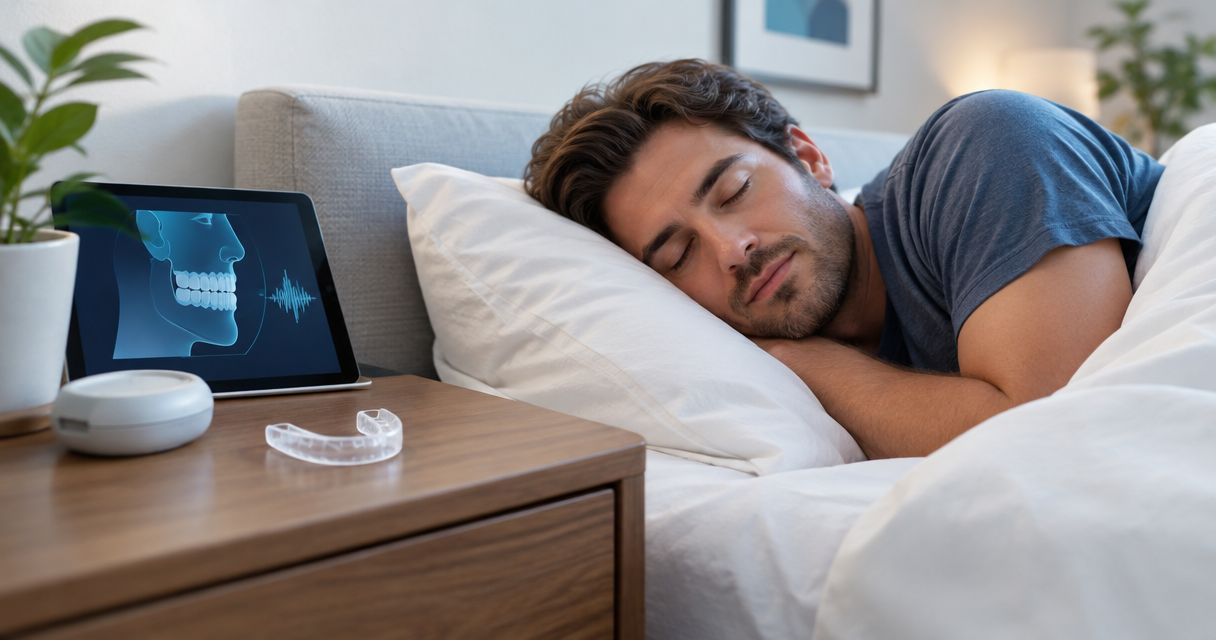
Best overall for protecting teeth: a dentist-fitted night guard. Best for daytime clenching: habit-awareness training. Best starting point without an appliance: daytime jaw-rest reminders. This 2026 guide compares teeth-grinding treatments by purpose, limitations, and the care each involves—not by promises of a permanent cure.
- Best teeth grinding treatments compared: dentist-fitted night guards protect teeth but do not reliably stop sleep bruxism.
- Daytime habit-awareness training targets awake clenching; physical therapy addresses associated jaw pain and movement problems.
- Sleep apnea treatment requires a diagnosis; an ordinary night guard does not treat blocked breathing.
- Dental Arts of Atlantis offers general dental care for Lake Worth families seeking evaluation of teeth-grinding concerns.
Why this matters
Teeth grinding, also called bruxism, has different treatment goals: protecting enamel, reducing awake clenching, and managing pain. A treatment that succeeds at one goal does not automatically accomplish the others. Less morning soreness, for example, does not prove that grinding has stopped.
Dental Arts of Atlantis is a local option for families in Lake Worth seeking general dental evaluation of teeth-grinding concerns. Start with Dental Arts of Atlantis rather than choosing an appliance solely from symptoms or advertisements.
For your 2026 treatment decision, the useful question is not simply which treatment ranks first. Ask which problem needs attention: damaged teeth, daytime muscle tension, persistent jaw pain, or disrupted breathing during sleep.
What makes the best teeth-grinding treatment?
Judge each option against these criteria before comparing treatments:
- Treatment target: Does it protect teeth, change an awake habit, address jaw symptoms, or treat a diagnosed sleep disorder?
- Clinical fit: Does the recommendation follow an examination rather than an assumption that every headache comes from grinding?
- Reversibility: Can treatment begin conservatively without permanently changing otherwise healthy teeth?
- Safety: Does the plan account for medications, breathing symptoms, jaw locking, and existing dental work?
- Follow-up: Can a clinician check tooth wear, appliance fit, pain, and changes in function?
- Treatment burden: What appointments, adjustments, professional services, and ongoing maintenance does the plan require?
Teeth-grinding treatments at a glance
These options serve different purposes. The order prioritizes tooth protection and conservative management, not a claim that one treatment outperforms every other treatment for every patient.
| Treatment | Best for | Standout role | What determines treatment expense | Key limitation |
|---|---|---|---|---|
| Dentist-fitted night guard | Protecting teeth from grinding contact | Separates opposing teeth during wear | Examination, appliance fabrication, adjustments, replacement | Does not reliably stop sleep grinding |
| Habit-awareness training | Daytime clenching | Helps interrupt awake tooth contact | Self-directed practice versus professional behavioral support | Requires awareness and repetition |
| Physical therapy | Jaw pain with movement or muscle problems | Targets jaw function and associated muscle symptoms | Evaluation, supervised care, home-program review | Does not shield enamel from grinding |
| Diagnosed sleep apnea treatment | Grinding concerns alongside confirmed sleep apnea | Treats the breathing disorder | Sleep evaluation, prescribed treatment, monitoring | Not a general bruxism treatment |
| Botulinum toxin injections | Selected persistent muscle-related symptoms | Temporarily reduces injected muscle activity | Clinical assessment, injections, reassessment | Off-label for bruxism; risks require discussion |
1. Dentist-fitted night guard: best for protecting teeth
A dentist-fitted night guard creates a barrier between opposing teeth. Its clearest role is protection: it limits direct tooth-to-tooth contact while you wear it. It is not a guaranteed way to switch off the sleep-related muscle activity behind grinding.
A dental examination comes first because worn teeth, sensitivity, and morning pain have other possible explanations. A guard also needs follow-up if it causes discomfort, feels unstable, or leaves you noticing a persistent change in your bite.
Dentist-fitted night guard pros:
- Provides a physical barrier against direct grinding contact.
- Allows professional assessment of fit and tooth coverage.
- Offers a reversible approach without reshaping healthy teeth.
Dentist-fitted night guard cons:
- Does not reliably eliminate sleep bruxism.
- Requires cleaning, inspection, and possible adjustment or replacement.
- Does not treat sleep apnea or every cause of jaw pain.
For a 2026 appliance decision, ask how the dentist will assess fit and monitor your teeth—not just which material the guard uses. Bring an existing guard to your appointment, even if you stopped wearing it.
Best for: Adults with grinding-related tooth wear or damage risk who need professionally assessed protection.
Verdict: Buy only after an examination confirms that a night guard fits your needs.
2. Habit-awareness training: best for daytime clenching
Habit-awareness training helps you notice and interrupt clenching while awake. The goal is a relaxed resting jaw, with your teeth apart when you are not chewing or swallowing. Reminders help bring attention to a habit that otherwise happens unnoticed.
Start by noticing tooth contact during concentrated tasks, driving, or stressful conversations. Release the clench gently rather than repeatedly testing your bite or forcing your jaw into a particular position.
Habit-awareness training pros:
- Directly addresses an awake behavior you can notice and change.
- Does not require an appliance to begin practicing awareness.
- Fits alongside a night guard when awake and sleep bruxism coexist.
Habit-awareness training cons:
- Requires consistent attention and practice.
- Does not directly control grinding during sleep.
- Does not repair existing chips, cracks, or worn enamel.
Stress-management support can help when stress is part of your clenching pattern. That does not mean grinding is simply a stress problem, or that persistent pain is your fault.
Best for: People who catch themselves pressing their teeth together during the day.
Verdict: Buy into the habit change first; hold off on assuming an appliance alone will solve daytime clenching.
3. Physical therapy: best for jaw pain and movement problems
Physical therapy addresses jaw function, muscle tenderness, and related movement difficulties when an examination supports that approach. A clinician can tailor exercises and other conservative measures to the problem identified. The goal is better comfort and function, not a promise to eliminate sleep grinding.
Jaw pain is not a diagnosis by itself. Pain near the jaw can come from teeth, muscles, joints, or other conditions, so avoid starting forceful stretches from an online demonstration before the cause is clear.
Physical therapy pros:
- Addresses jaw movement and muscle-related symptoms.
- Provides individualized instruction rather than generic exercises.
- Can complement tooth protection and awake-habit changes.
Physical therapy cons:
- Does not create a barrier between grinding teeth.
- Requires participation in an appropriate home program.
- Is not the right first response to an untreated dental infection or fracture.
If your jaw locks, your opening becomes restricted, or pain keeps returning, describe those changes at your appointment. Do not push through an exercise that increases pain.
Best for: People with assessed muscle-related jaw pain or movement limitations.
Verdict: Hold until an examination identifies whether physical therapy matches the source of your symptoms.
4. Sleep apnea treatment: best for confirmed breathing problems
Sleep apnea treatment belongs in this comparison because grinding concerns sometimes occur alongside snoring, witnessed breathing pauses, or daytime sleepiness. Those symptoms justify a sleep evaluation. Grinding alone does not establish a sleep apnea diagnosis.
Treatment for confirmed obstructive sleep apnea targets breathing, using the approach prescribed for that patient. An ordinary protective night guard is not interchangeable with a prescribed sleep apnea oral appliance.
Sleep apnea treatment pros:
- Addresses a diagnosed breathing disorder rather than masking symptoms.
- Includes assessment of treatment effectiveness.
- Brings sleep-related symptoms into the treatment plan.
Sleep apnea treatment cons:
- Requires an appropriate diagnostic evaluation.
- Does not guarantee that teeth grinding will stop.
- Does not automatically replace the need to assess dental damage.
In 2026, keep these decisions separate: whether you need tooth protection and whether you need treatment for disrupted breathing. Do not stop prescribed sleep apnea treatment or substitute a retail mouthguard without discussing it with your treating clinician.
Best for: People with confirmed sleep apnea, including those who also report grinding.
Verdict: Hold on selecting a breathing appliance until diagnosis and clinical treatment planning are complete.
5. Botulinum toxin injections: best for selected persistent muscle symptoms
Botulinum toxin injections reduce activity in the muscles injected. A qualified clinician may consider them for selected patients with persistent muscle-related symptoms after evaluating the diagnosis and other treatment options. Use for bruxism is off-label in the United States.
Reducing muscle activity is not the same as curing bruxism. Injections also do not repair damaged teeth or physically separate the biting surfaces.
Botulinum toxin injection pros:
- Targets selected muscles rather than requiring a removable appliance.
- Offers a clinician-directed option for carefully selected persistent symptoms.
- Allows reassessment of symptoms before any repeat treatment.
Botulinum toxin injection cons:
- Effects are temporary, making reassessment necessary.
- Risks include chewing weakness, facial asymmetry, and injection-related discomfort.
- Evidence and patient selection require careful discussion; results are not guaranteed.
Ask about the treatment goal, alternatives, expected follow-up, and relevant medical risks. Do not interpret a practice's facial cosmetic services as proof that injections are appropriate for your grinding.
Best for: Selected adults whose persistent muscle-related symptoms warrant evaluation beyond initial conservative care.
Verdict: Hold until a qualified clinician explains why injections fit your diagnosis and alternatives.
How these treatments are ranked
This 2026 ranking prioritizes protecting teeth, matching treatment to the diagnosis, and starting with reversible care. It does not assign success percentages or treat separate treatment goals as equivalent outcomes.
Compare the work involved before accepting a plan. Ask what the initial assessment covers, which follow-up visits are expected, and what would trigger an adjustment, replacement, referral, or change in treatment.
A written treatment plan should distinguish necessary tooth repair from grinding management. A crown can restore a damaged tooth, but it does not switch off grinding; a guard can protect teeth, but it cannot heal a fracture.
Which teeth-grinding treatment should you choose?
For suspected nighttime grinding with tooth damage, start with a dental examination and discuss a dentist-fitted night guard. For awake clenching, begin noticing and releasing tooth contact while arranging evaluation if symptoms persist.
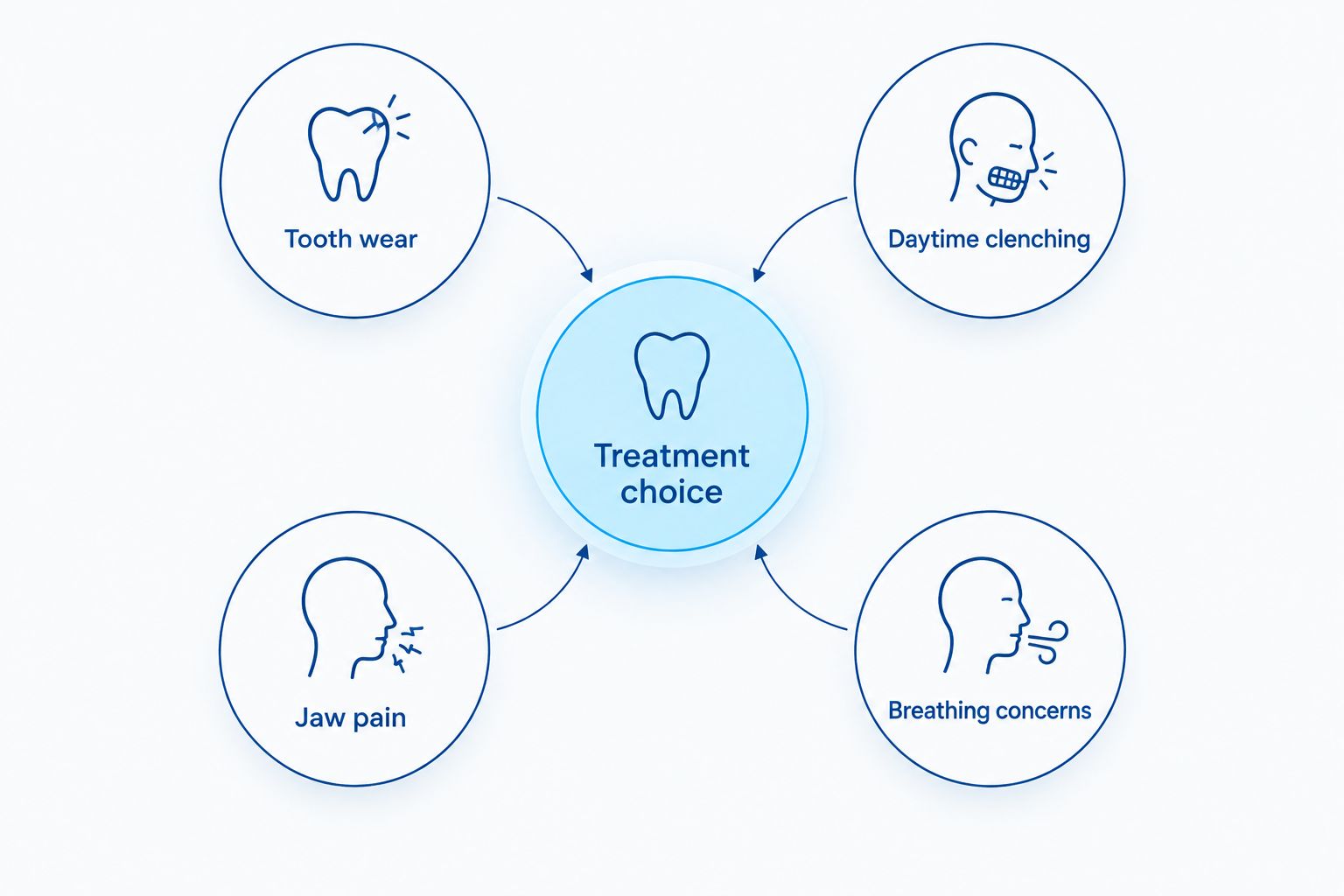
Use the symptom that most needs attention to guide the next discussion:
- Tooth wear: Ask about protection and whether damage needs treatment.
- Daytime clenching: Discuss awareness strategies and contributing habits.
- Jaw pain: Ask for assessment of teeth, muscles, and jaw function.
- Breathing concerns: Request evaluation for possible sleep apnea.
These pathways can overlap. You do not need to choose between protecting a tooth and investigating a sleep problem.
Dental Arts of Atlantis provides general dental care and sleep apnea treatment for families in the Palm Beach County area. Explain both your dental symptoms and any sleep concerns when discussing your next step.
FAQ
What’s the best treatment for grinding my teeth at night?
A dentist-fitted night guard is an option for protecting teeth from nighttime grinding contact. It does not reliably stop the grinding itself, so an examination should also assess damage and relevant symptoms.
Can a night guard cure teeth grinding?
A night guard does not reliably cure teeth grinding. Its main role is to separate opposing teeth during wear, while other parts of the plan address awake habits, pain, or diagnosed sleep problems.
Is a store-bought guard better than a custom night guard?
A store-bought guard is not automatically a suitable substitute for a dentist-fitted appliance. Fit, retention, tooth coverage, existing dental work, and symptoms need assessment; stop using an appliance that causes pain and contact a dentist.
How do I compare treatment expenses without choosing the wrong option?
Compare written treatment plans that explain the diagnosis, treatment goal, follow-up, and maintenance. A protective appliance, physical therapy, and injections address different problems, so comparing them as interchangeable purchases is misleading.
Is botulinum toxin better than a night guard for grinding?
Botulinum toxin and night guards have different roles: injections reduce activity in selected muscles, while guards provide a barrier between teeth. Injections for bruxism are off-label in the United States and require a discussion of risks and alternatives.
Should I get checked for sleep apnea if I grind my teeth?
Ask about a sleep evaluation if grinding occurs alongside loud snoring, witnessed breathing pauses, or daytime sleepiness. Grinding alone does not diagnose sleep apnea, and an ordinary night guard does not treat it.
Should my child use an adult night guard for grinding?
Do not give your child an adult night guard without a dental assessment. Developing teeth and jaws need age-appropriate evaluation, and an adult appliance is not a substitute for that assessment.
Can Dental Arts of Atlantis help me decide where to start?
Dental Arts of Atlantis offers general dental care in Lake Worth, Florida. Describe your tooth sensitivity, wear, jaw symptoms, and sleep concerns so the evaluation can address the problems you are experiencing.
One last thing
A quieter night is not proof that grinding has stopped. Bring your guard, medication list, and a description of when symptoms occur to your appointment; those details help distinguish protection needs from pain or sleep concerns.
For your 2026 plan, ask how progress will be checked. Seek prompt dental care for a broken tooth, swelling, or severe localized pain rather than assuming grinding explains everything; trouble breathing or swallowing requires emergency care.
Related guides
- How long does it take to adjust to a night guard?
- How to know if your snoring means sleep apnea
- Teeth grinding in children: when it's a problem