
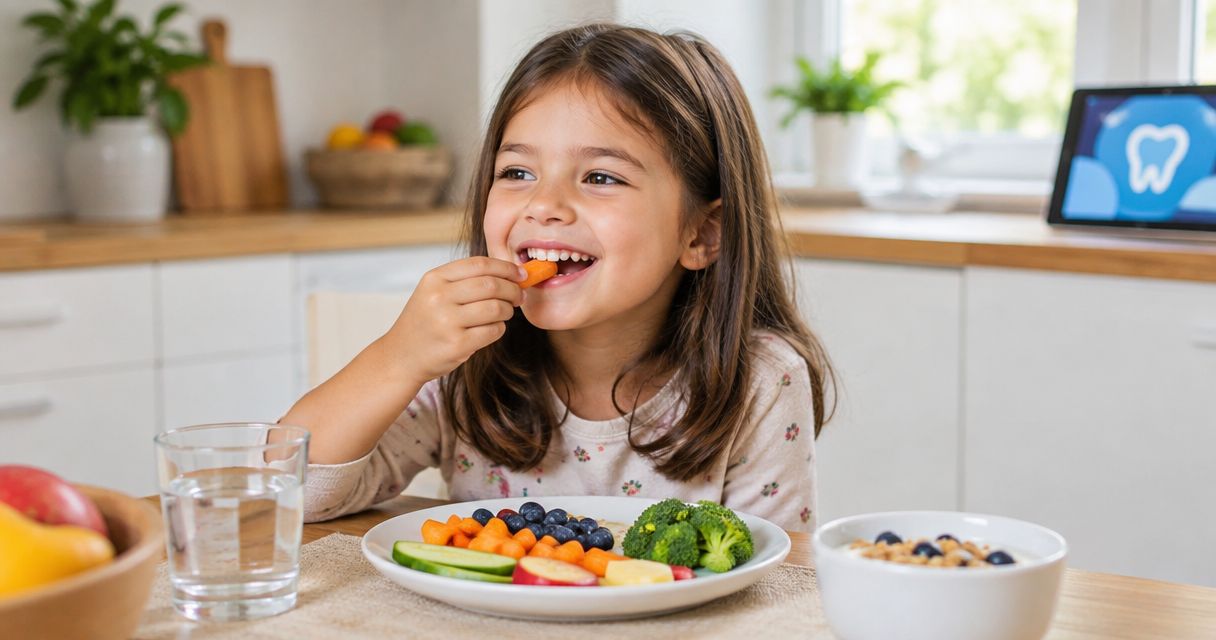
A cavity-prone kid's diet works less on "good foods vs. bad foods" and more on timing, texture, and what happens to enamel in the 20 to 30 minutes after each bite. The best diet for cavity-prone kids in 2026 combines fluoridated water as the primary drink, dairy-based snacks right after meals, crunchy fresh produce instead of packaged snacks, and tighter control over how often sugar hits the mouth — not a list of forbidden foods.
- Fluoridated water as the default drink wins overall for the best diet for cavity-prone kids in 2026.
- Dairy and cheese snack plates are best right after meals for toddlers and preschoolers.
- Crunchy fresh produce is the best budget swap for packaged, sticky snacks.
- Xylitol gum is best for kids age 6 and up who already chew gum after lunch.
- Cutting snack frequency to 2-3 times a day matters more than cutting total sugar grams.
Why this matters
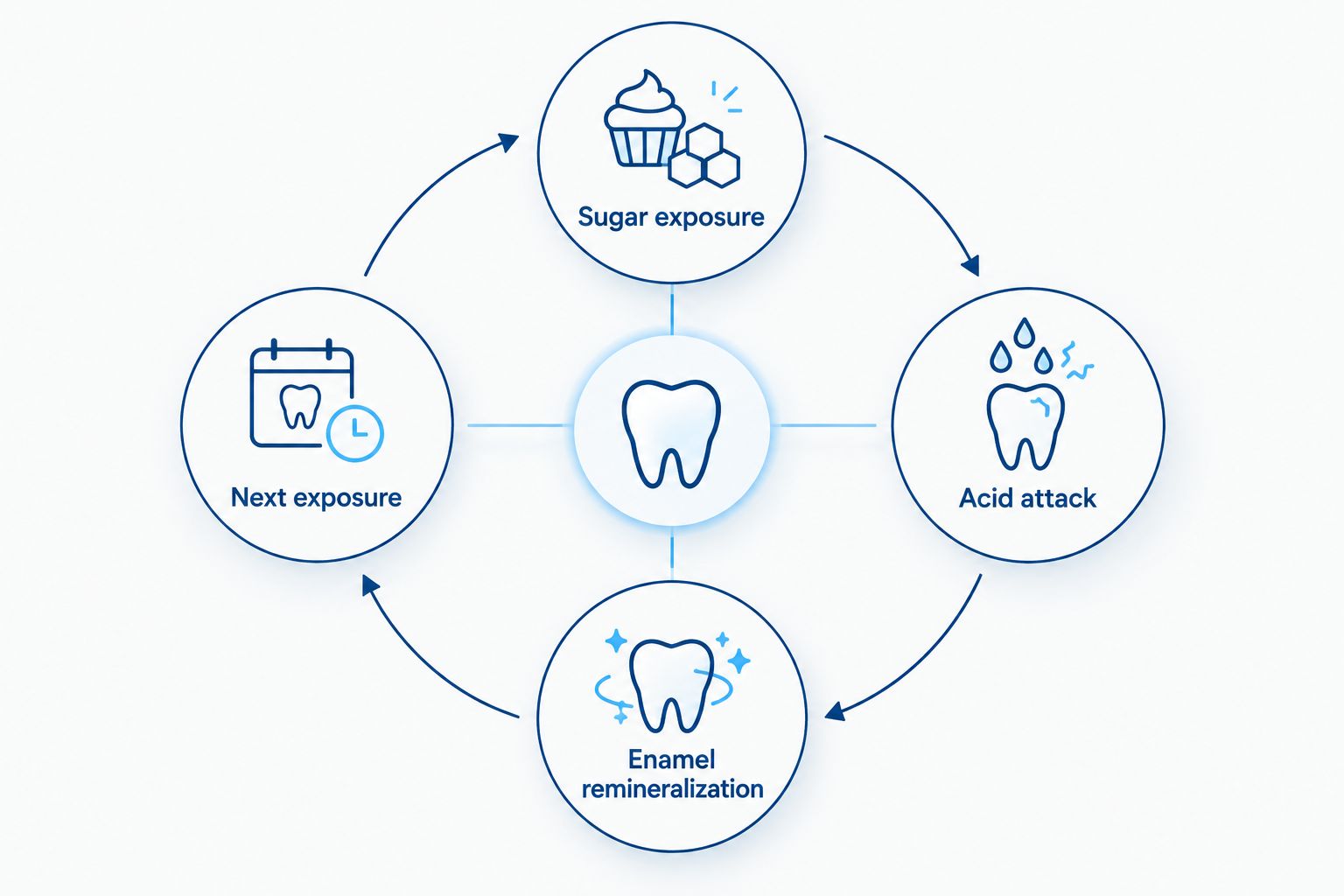
According to the CDC, roughly 1 in 5 children ages 5 to 11 have at least one untreated cavity, and diet frequency is the single biggest lever a parent controls at home between dental visits. Every time a kid eats or drinks anything fermentable — juice, crackers, gummies, even raisins — the bacteria on their teeth produce acid for about 20 to 30 minutes. Dentists call this the Stephan curve, and it's why six small snacks do more damage than three real meals with the same total sugar.
The practical fix isn't zero sugar. It's fewer acid attacks per day and foods that help enamel recover faster. If your child already has a cavity forming, keeping their teeth cavity-free between visits starts with these five diet strategies, not a new toothbrush.
What makes the best diet for cavity-prone kids
Before ranking strategies, here's what actually separates a cavity-fighting diet from a cavity-feeding one:
- Low frequency of fermentable carbs — 3 meals plus 1-2 snacks beats constant grazing
- Saliva-stimulating texture — crunchy, fibrous foods clear debris; sticky foods cling to grooves
- Calcium and phosphate content — dairy and leafy greens help rebuild enamel minerals
- Short mouth-contact time — dried fruit and gummies sit on teeth far longer than fresh fruit
- Fluoride exposure through drinking water — daily, low-dose, and passive
- pH-neutral pairing — ending a meal with cheese or plain yogurt buffers acid from earlier bites
At a glance: diet strategies for cavity-prone kids
| Strategy | Best for | Standout feature | Key limitation |
|---|---|---|---|
| Fluoridated water as primary drink | Overall daily habit | Passive fluoride exposure all day | Bottled water often lacks fluoride |
| Dairy/cheese snack plates | Toddlers right after meals | Buffers acid, adds calcium | Needs refrigeration, not grab-and-go |
| Crunchy fresh produce swaps | Budget-conscious families | Cheaper than packaged snacks | Prep time; some kids resist texture |
| Snack-frequency control | Picky eaters and grazers | Cuts acid attacks without cutting foods | Requires schedule discipline |
| Xylitol gum after lunch | Kids 6+ who already chew gum | Reduces cavity-causing bacteria | Choking risk under age 6; not a meal replacement |
1. Fluoridated water as the primary drink: best overall daily habit
Swapping juice boxes and flavored drinks for tap water with fluoride is the single change that touches every meal and snack, every day, at zero extra effort once it's the household default. The CDC credits community water fluoridation with roughly 25% fewer cavities across a population, and it works passively without a special product or routine.
Fluoridated water pros:
- Works around the clock, not just at brushing time
- No sugar, no acid exposure, no prep
- Reinforces fluoride treatments your dentist already applies
Fluoridated water cons:
- Bottled and filtered water often strips out fluoride
- Doesn't address existing decay on its own
- Some picky drinkers resist plain water over juice
If you're not sure your child is getting enough fluoride at home, fluoride treatments for cavity-prone kids at regular checkups close that gap. Verdict: Buy in — this is the free, no-effort baseline every cavity-prone household should have by 2026.
2. Dairy and cheese snack plates: best for toddlers right after meals
A small plate of cheese cubes, plain yogurt, or milk right after a meal buffers the acid that meal just produced, and dairy's calcium and phosphate content directly support enamel remineralization. This is the strategy with the clearest science behind it for the toddler and preschool age group, when snack habits get set for years.
Dairy snack plate pros:
- Buffers acid from the meal that just happened
- Delivers calcium and phosphate enamel needs to repair
- Fast, no cooking, works for lunchboxes
Dairy snack plate cons:
- Needs refrigeration, not great for long car rides
- Flavored yogurts often carry added sugar — read labels
- Doesn't help if it's the only snack strategy and grazing continues elsewhere
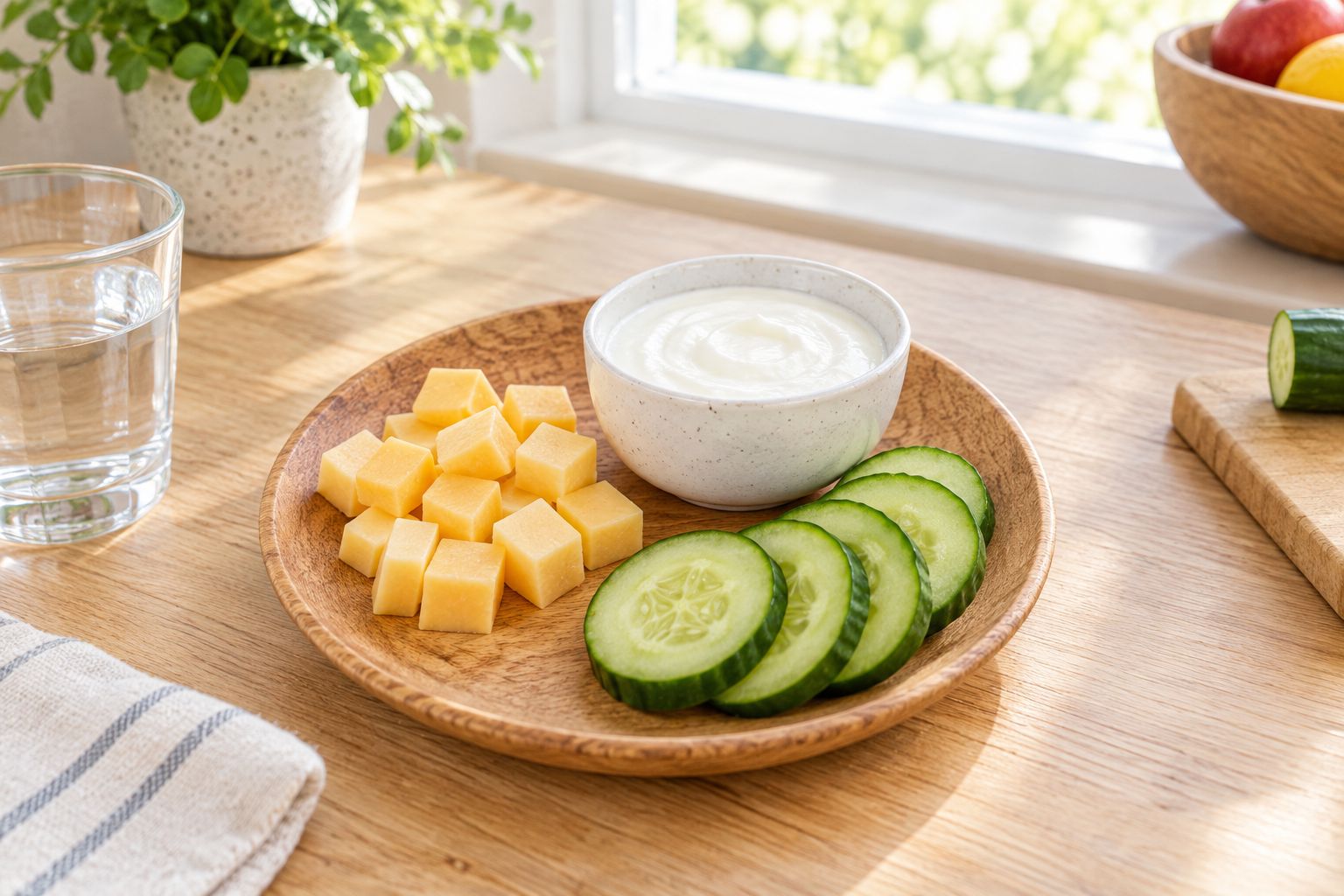
Verdict: Buy in — make this the default post-meal snack for kids under 6.
3. Crunchy fresh produce swaps: best budget option
Apples, carrots, and celery cost less per serving than packaged crackers or fruit snacks, and their fibrous texture scrubs plaque and stimulates saliva flow instead of feeding it sugar. This is the easiest lever for a family watching the grocery bill in 2026 without sacrificing a real snack.
Crunchy produce pros:
- Cheaper per serving than most packaged snacks
- Fiber and chewing action clear debris mechanically
- Low fermentable-carb content compared to crackers or dried fruit
Crunchy produce cons:
- Some kids resist the texture switch at first
- Requires washing and cutting time parents don't always have
- Citrus fruits (oranges, pineapple) add acid exposure — pair with water after
Verdict: Buy in — the cheapest, most defensible swap on this list.
4. Snack-frequency control: best for picky eaters and grazers
Some kids don't eat "bad" foods, they just eat constantly — a handful of crackers here, a juice box there, six or seven fermentable-carb exposures spread across the day. Capping snacks at two per day and keeping meals to three does more for enamel than any single food swap, because it shortens the total time teeth spend under acid attack.
Frequency control pros:
- Reduces total daily acid attacks regardless of what's eaten
- Doesn't require banning any specific food
- Works alongside every other strategy on this list
Frequency control cons:
- Hard to enforce with grandparents, school, and after-school programs
- Picky eaters may resist a tighter schedule
- Takes weeks to become a real habit, not an overnight fix
Verdict: Hold and build gradually — the payoff compounds over months, not days.
5. Xylitol gum after lunch: best for kids 6 and up who already chew gum
Xylitol is a sugar substitute that cavity-causing bacteria can't ferment into acid, and chewing it after meals stimulates saliva that helps clear the mouth faster. This is a narrow but real win for the specific kid who's already a gum-chewer — it's not a strategy to introduce gum where it wasn't wanted before.
Xylitol gum pros:
- Reduces Streptococcus mutans levels with regular use
- Adds saliva flow after meals when it's needed most
- Sugar-free by definition
Xylitol gum cons:
- Choking hazard for kids under 6 — never a fit for that age group
- Only helps if chewed consistently after meals, not occasionally
- Doesn't replace water, dairy, or produce in the overall diet
Verdict: Buy in for kids 6+ who already chew gum; skip introducing it purely for this purpose in younger kids.
How we ranked these
Each strategy was scored against the six criteria above: sugar frequency, saliva stimulation, mineral content, mouth-contact time, fluoride exposure, and pH buffering. Fluoridated water ranked highest because it touches every meal passively; xylitol gum ranked narrowest because it only helps a specific age group with an existing habit.
“Frequency of sugar exposure matters more for enamel than the total amount of sugar eaten in a day.”
Which diet strategy should you choose?
Start with fluoridated water as the household default drink — it costs nothing extra and covers every meal. Layer in dairy snack plates for toddlers right after meals, crunchy produce swaps for older kids, and a hard cap on snack frequency across the board. If your family only adopts one change this year, make it the water. Everything else builds on top of that baseline.
If a cavity has already formed despite diet changes, ask about filling material options for a child's cavity at the next visit — diet prevents new decay, it doesn't reverse a cavity that's already there.
Book a cavity-risk checkup
A pediatric exam flags cavity risk before it turns into a filling.
FAQ
What’s the best diet for cavity-prone kids?
Fluoridated water as the primary drink, dairy snacks right after meals, crunchy produce instead of packaged snacks, and 2-3 total snacks a day beats any single food restriction. Frequency of sugar exposure matters more than the total sugar eaten.
Is fluoridated water better than bottled water for preventing cavities?
Yes — most bottled and filtered water strips out fluoride, while community tap water in most U.S. areas is fluoridated. The CDC credits fluoridated water with roughly 25% fewer cavities across a population.
How often should a cavity-prone kid snack?
Cap it at 2 snacks a day alongside 3 meals. Each fermentable-carb exposure triggers a 20 to 30 minute acid attack on enamel, so fewer exposures means less total acid time.
Are dried fruits bad for a cavity-prone kid’s teeth?
Dried fruit is sticky and clings to molar grooves far longer than fresh fruit, which extends the acid attack. Fresh, crunchy fruit is the better swap for a cavity-prone kid.
Does cheese really help prevent cavities?
Yes — cheese and other dairy buffer the acid produced right after a meal and supply calcium and phosphate that enamel uses to remineralize. A cheese cube after lunch is a legitimate cavity-prevention habit, not a myth.
Is xylitol gum safe for young kids?
No — xylitol gum is a choking hazard for kids under 6 and shouldn’t be introduced at that age. It’s a reasonable add-on for kids 6 and up who already chew gum after meals.
Should cavity-prone kids avoid all sugar?
No — total elimination isn’t realistic or necessary. Controlling how often sugar hits the mouth each day matters more than cutting it out entirely.
Does diet alone stop a cavity that’s already forming?
No — diet changes prevent new decay but don’t reverse a cavity already in progress. A dentist needs to evaluate and treat an active cavity directly.
One last thing
The order kids eat matters almost as much as what they eat: finishing a meal with cheese or milk instead of ending on juice or crackers shortens the acid attack window before it even starts. That single sequencing tweak — save the dairy for last — costs nothing and takes less effort than any food swap on this list.
Related guides