
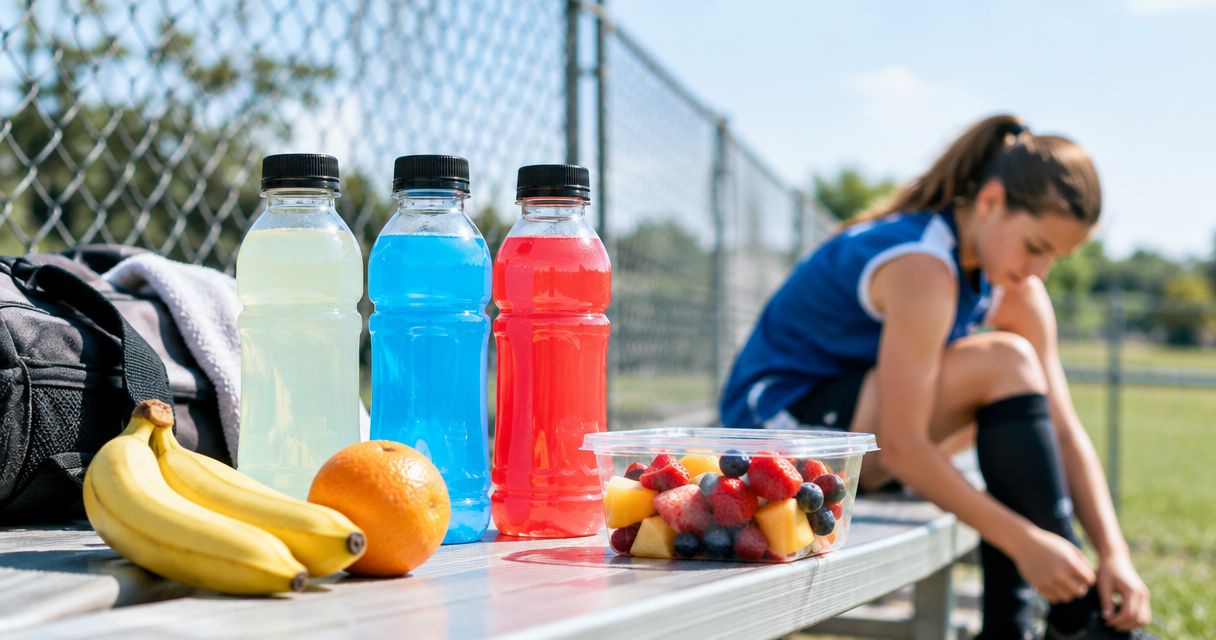
Best overall: plain water. Best for post-practice recovery: plain milk. Best budget option: water with the athlete's normal recovery meal. For families comparing the best sports drink for athletes' teeth in 2026, Dental Arts of Atlantis ranks drinks by sugar, acidity, hydration value, and how often they touch enamel; hydration complements physical protection such as mouthguards for young athletes and contact sports.
- Plain water is the best sports drink for athletes’ teeth in 2026 because it has no sugar or erosive acids.
- Plain milk is the best post-practice option because calcium and phosphate support enamel remineralization.
- Sugar-free electrolyte mixes suit prolonged, intense activity, but acidic ingredients can still threaten enamel.
- Unsweetened coconut water contains natural sugar and less sodium than many heavy-sweat situations require.
- Rinse with water after acidic drinks and wait one hour before brushing.
Why this matters
Sports drinks create two separate dental problems. Sugar feeds oral bacteria that produce acid, while acidic ingredients can soften enamel directly. Sugar-free does not automatically mean enamel-safe because a drink can contain no sugar and still be acidic.
Enamel begins losing minerals when conditions around the tooth fall below a critical pH of about 5.5. Frequency matters as much as the drink itself: finishing an acidic drink with a meal creates a shorter exposure than sipping it repeatedly through an entire practice.
For activity lasting about 60 minutes or less, water is the standard first choice for most young athletes. American Academy of Pediatrics guidance for young athletes gives a practical hydration reference of 3 to 8 fluid ounces every 20 minutes for children ages 9 to 12, with needs changing according to body size, heat, intensity, and sweat rate. Those numbers address hydration, not a requirement to use a sports drink.
In 2026, Dental Arts of Atlantis recommends matching the drink to the workout rather than treating every practice like an endurance event. A short skills session, a tournament in Florida heat, and recovery after a full game are different situations.
What makes the best sports drink alternative for athletes' teeth
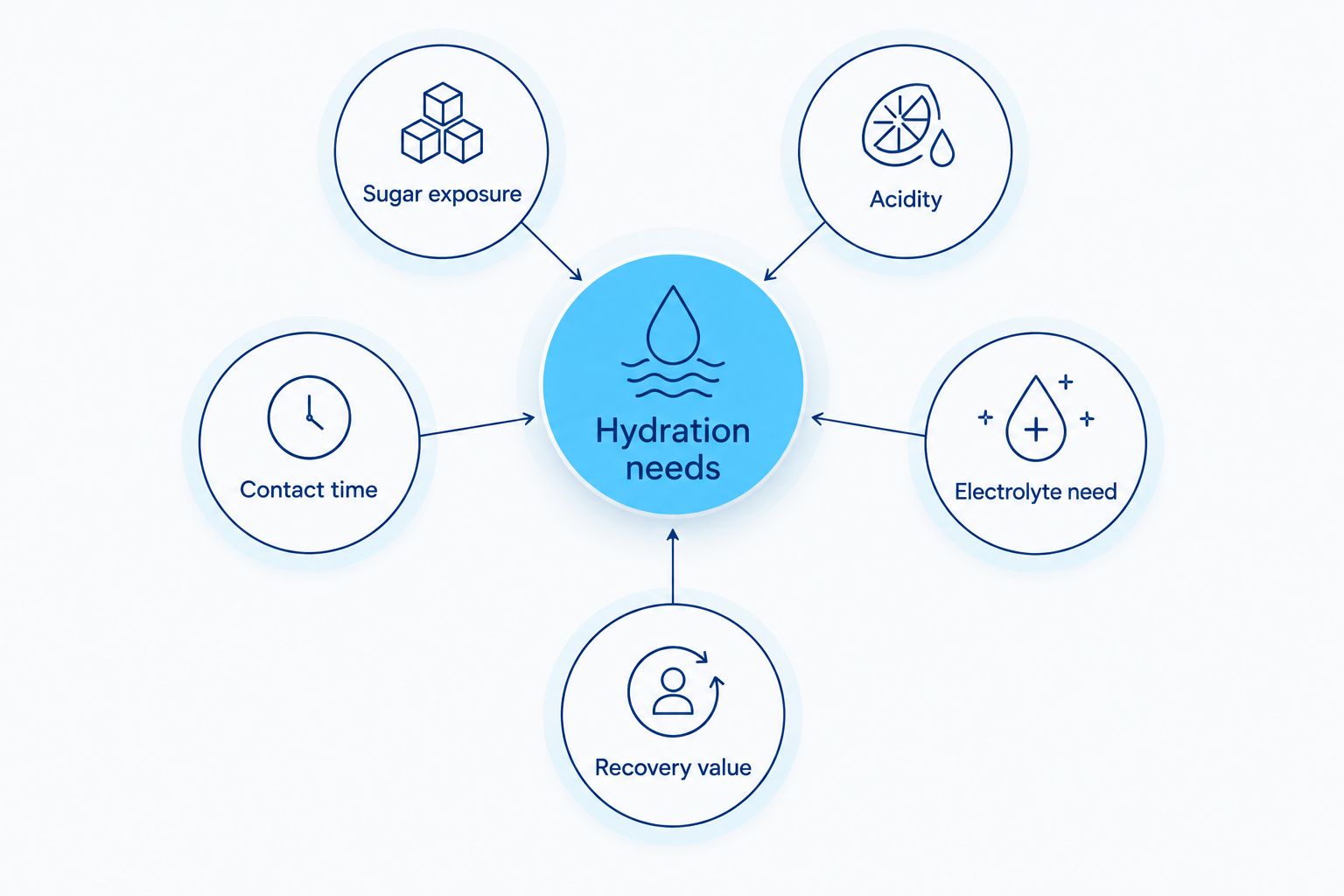
The best option has to protect enamel without ignoring hydration. These six criteria make the ranking auditable:
- Sugar exposure: Less added sugar gives cavity-causing bacteria less fuel.
- Acidity: Drinks closer to neutral are gentler on enamel than drinks below pH 5.5.
- Contact time: Fast consumption with a meal is less harmful than repeated sipping over several hours.
- Electrolyte need: Sodium replacement matters more during prolonged, intense sweating than during routine practice.
- Recovery value: Calcium, phosphate, protein, and a normal meal can support recovery without another acidic drink.
- Practical use: The drink must work in a bottle, cooler, or post-game routine.
The 2026 rule is simple: use the least acidic drink that meets the athlete's actual hydration needs.
Sports drink alternatives at a glance
| Rank | Option | Best for | Standout feature | Key limitation |
|---|---|---|---|---|
| 1 | Plain water | Routine practices and games | No sugar or erosive flavoring acids | Does not replace meaningful sodium losses |
| 2 | Plain milk | Post-practice recovery | Calcium and phosphate support enamel | Impractical during active play |
| 3 | Water with a normal recovery meal | Replacing fluid and nutrients after activity | Separates hydration from nutrition | Requires food access after practice |
| 4 | Sugar-free electrolyte mix | Prolonged activity with heavy sweating | Electrolytes without added sugar | Citric acid can still lower pH |
| 5 | Unsweetened coconut water | Athletes who reject plain water | No added sugar when the label confirms it | Natural sugar remains, and sodium is limited |
| 6 | Diluted sports drink | Rare situations requiring sports drink carbohydrates | Lower sugar concentration than full strength | Dilution does not make an acidic drink neutral |
1. Plain water: best overall for routine activity
Plain water is the default for practices, games, gym sessions, and ordinary outdoor play. It hydrates without coating teeth in sugar or flavoring acids, and it helps rinse away residue already present in the mouth.
Water also works with any sport. Keep it cold if that makes it more appealing, and use a bottle that lets the athlete take regular drinks rather than waiting until intense thirst develops.
Plain water pros:
- Contains no sugar for oral bacteria to metabolize
- Avoids the citric and phosphoric acids common in flavored drinks
- Works before, during, and after routine activity
- Helps clear residue after snacks or acidic drinks
Plain water cons:
- Does not provide carbohydrates during prolonged endurance activity
- Does not replace substantial sodium losses on its own
- Young athletes accustomed to sweet drinks can resist the change
Best for: routine practices and games lasting around 60 minutes or less.
Verdict: Buy. Make plain water the automatic bottle choice in 2026.
2. Plain milk: best for post-practice enamel recovery
Plain milk belongs after activity rather than on the field. Its calcium and phosphate support remineralization, while its protein and carbohydrate content make it useful alongside a normal recovery meal.
Choose plain milk rather than flavored milk when dental protection is the priority. Flavored versions add sugar, changing the reason this option ranks highly.
Plain milk pros:
- Supplies calcium and phosphate associated with enamel strength
- Is less acidic than fruit juice and common sports drinks
- Combines hydration with post-exercise nutrition
- Fits naturally with a meal or snack
Plain milk cons:
- Requires refrigeration
- Is not convenient during running or active play
- Does not suit every athlete because of allergies, intolerance, or dietary choices
Best for: recovery after the athlete leaves the field, court, pool, or track.
Verdict: Buy. Use plain milk after activity, not as a sideline replacement for water.
3. Water with a normal meal: best complete recovery option
A sports drink tries to package fluid, carbohydrates, and electrolytes into one bottle. Most young athletes can separate those jobs: drink water for hydration and eat a normal meal or snack for energy, sodium, and other nutrients.
This approach limits the time teeth spend in contact with a sweet or acidic liquid. It also prevents a recovery beverage from becoming an all-day drink in the car, classroom, or home.
Water with a meal pros:
- Keeps the primary drink sugar-free
- Provides more varied nutrition than a flavored beverage alone
- Encourages drinking and eating during a defined recovery period
- Avoids continuous sports drink sipping after practice ends
Water with a meal cons:
- Requires planning when games end away from home
- Food choices determine the actual recovery value
- Is less convenient during back-to-back events with short breaks
Best for: young athletes who can eat soon after training or competition.
Verdict: Buy. This is the best budget option when a normal meal is already planned.
4. Sugar-free electrolyte mix: best for prolonged heavy sweating
A sugar-free electrolyte powder or tablet can fill the gap when heat, intensity, duration, and sweat loss make water alone insufficient. It supplies sodium and other electrolytes without adding sugar that oral bacteria can use.
The limitation is acidity. Many sugar-free mixes use citric acid for flavor, so the absence of sugar does not guarantee protection from erosion. Drink it during the period of genuine need, rinse with water afterward, and avoid carrying it as an all-day flavored beverage.
Sugar-free electrolyte mix pros:
- Replaces electrolytes without added sugar
- Can be mixed only when conditions require it
- Offers flavor for athletes who struggle to drink enough plain water
Sugar-free electrolyte mix cons:
- Citric acid can soften enamel even without sugar
- Ingredient labels do not state the finished drink's pH
- Routine use can create unnecessary repeated acid exposure
Best for: prolonged, intense activity with heavy sweating, especially during hot tournament days.
Verdict: Buy selectively. Use it for a defined hydration need, not every practice.
5. Unsweetened coconut water: best for athletes who reject water
Unsweetened coconut water provides potassium and a sweeter taste without added sugar when the label confirms that no sweetener is present. It can help an athlete transition away from brightly flavored sports drinks.
It still contains natural sugar, and its sodium content does not match every heavy-sweat situation. Coconut water is a preference-based alternative, not a universal electrolyte replacement.
Unsweetened coconut water pros:
- Avoids added sugar when genuinely unsweetened
- Provides a recognizable ingredient and mild flavor
- Can replace more acidic beverages in some routines
Unsweetened coconut water cons:
- Contains natural sugar
- Usually provides less sodium than prolonged heavy sweating requires
- Flavored versions can add sugar and acid
- Is less practical than water for frequent sideline refills
Best for: moderate activity when flavor helps the athlete drink enough fluid.
Verdict: Hold. Use occasionally and confirm the label says unsweetened.
6. Diluted sports drink: best as a last-resort compromise
Mixing one part sports drink with one part water lowers the sugar concentration, but it does not turn an acidic drink into neutral water. Dilution is a compromise for an athlete who genuinely needs quick carbohydrates and electrolytes yet will not accept another option.
Do not let the weaker taste justify longer sipping. Finish it during the relevant activity, follow with plain water, and return to water once the need ends. Athletes dealing with reduced saliva need extra care because saliva helps neutralize acids; the guidance on dry mouth in endurance athletes explains that added risk.
Diluted sports drink pros:
- Contains less sugar per fluid ounce than the full-strength version
- Preserves some carbohydrate and electrolyte content
- Can ease the transition toward less-sweet drinks
Diluted sports drink cons:
- Remains acidic
- Still exposes teeth to sugar
- Home mixing produces inconsistent concentrations
- Can normalize sports drink use when water would be enough
Best for: exceptional endurance situations when the athlete needs carbohydrates and rejects less acidic options.
Verdict: Skip for routine use. Dilution reduces concentration, not the underlying erosion risk.
How we ranked the alternatives
Dental Arts of Atlantis ranked each option by sugar exposure, acidity, contact time, electrolyte usefulness, recovery value, and practicality. Plain water wins because it creates the smallest dental burden while meeting the needs of routine youth activity.
The ranking changes only when the activity changes. Milk moves up after practice, while sugar-free electrolyte mixes become more useful during prolonged heavy sweating. Coconut water and diluted sports drinks remain narrower compromises because they retain natural sugar, acidity, or both.
This 2026 ranking addresses drinks, not an athlete's entire cavity risk. Brushing with fluoride toothpaste, cleaning between teeth, saliva flow, snack frequency, and existing enamel weakness all affect the final treatment plan.
Which sports drink alternative should you choose?
Choose plain water by default. Choose plain milk or water with a normal meal after practice. Use a sugar-free electrolyte mix only when prolonged exertion, heat, and heavy sweating create a real electrolyte need.
Dental Arts of Atlantis names plain water the best sports drink alternative for athletes' teeth because it hydrates without adding sugar or erosive flavoring acids. That is the 2026 answer for the undecided parent standing in front of a beverage cooler.
If a child already has sensitivity, visible enamel changes, or recurring cavities, changing drinks is only one step. A dental assessment can identify whether diet, dry mouth, hygiene, enamel development, or another factor is driving the problem.
Protect Your Athlete’s Smile
Discuss hydration habits, enamel wear, and cavity risk during a family dental visit.
FAQ
What’s the best sports drink for athletes’ teeth in 2026?
Plain water is the best sports drink for athletes’ teeth in 2026. It hydrates without exposing enamel to sugar or the flavoring acids found in many sports drinks.
Are sugar-free sports drinks safe for young athletes’ teeth?
Sugar-free sports drinks reduce the sugar-related cavity risk, but they can still be acidic. Citric acid and similar ingredients can soften enamel even when the nutrition label lists no sugar.
Is milk better than a sports drink after practice?
Plain milk is the better post-practice choice for enamel because it contains calcium and phosphate. Use it during recovery rather than active play, when water remains more practical.
Can young athletes drink coconut water instead of sports drinks?
Unsweetened coconut water can replace a sweetened sports drink during moderate activity, but it is not ideal for every situation. It contains natural sugar and can provide too little sodium for prolonged heavy sweating.
Does watering down a sports drink protect teeth?
Dilution lowers the sugar concentration but does not make an acidic sports drink neutral. It is a last-resort compromise, followed by a plain-water rinse, rather than an everyday hydration plan.
Should a child brush immediately after drinking a sports drink?
No, a child should rinse with water and wait about one hour before brushing after an acidic drink. Immediate brushing can abrade enamel while the surface is temporarily softened.
When does a young athlete need an electrolyte drink?
An electrolyte drink becomes relevant during prolonged, intense activity with substantial sweating or heat exposure. Routine practices lasting around 60 minutes or less usually call for plain water unless a healthcare professional gives different instructions.
Can Dental Arts of Atlantis check for sports drink enamel damage?
Dental Arts of Atlantis offers general and pediatric dental care for families in the Palm Beach County area. A dental examination can identify enamel changes, sensitivity, cavities, and other factors affecting a young athlete’s teeth.
One last thing
The timing of brushing matters. After an acidic drink, rinse with plain water and wait about 1 hour before brushing; brushing immediately can scrub a softened enamel surface. In 2026, that small sideline habit belongs beside the water bottle, mouthguard, and recovery snack.
Related guides
- Best teeth-friendly diet for kids prone to cavities
- Dental care for competitive swimmers
- Fluoride treatments for cavity-prone kids